
Udaipur, India
What to Do in Udaipur in 4 Days: Lakes, Palaces, and a Sunset You'll Keep
A picture-first walk through the City of Lakes, from a boat on Lake Pichola to the hill palace where the whole valley goes gold.
TL;DR
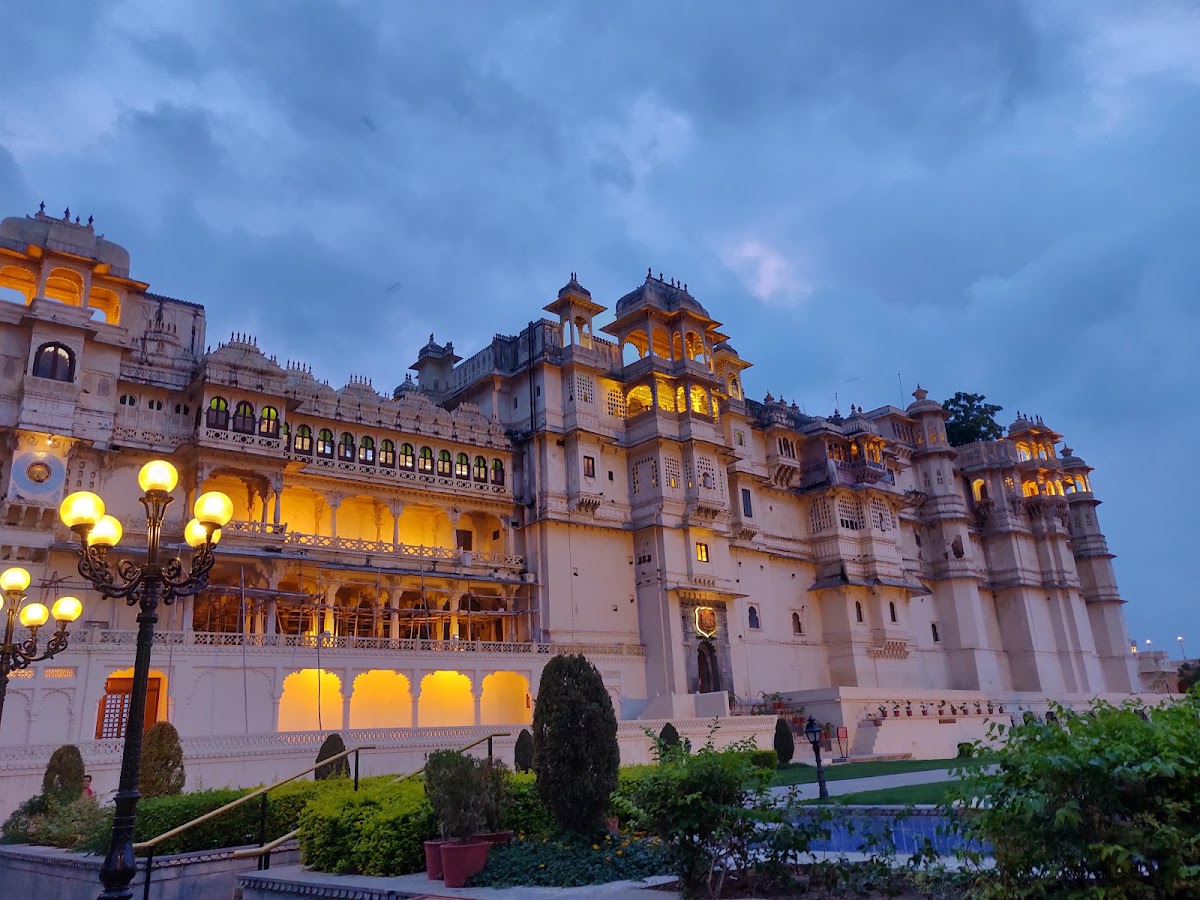
Udaipur hands you white palaces floating on blue water, and this log walks you through it in journey order, from the first boat ride to the last rooftop breakfast.
- Golden hour from a boat on Lake Pichola, palaces glowing
- City Palace balconies stacked over the water like a wedding cake
- Fountains and marble pavilions at Sahelion-ki-Bari
- Spinning skirts and firelit faces at the Dharohar folk show
- The whole lake valley from the Monsoon Palace at dusk
Have this trip planned in 60 seconds
We built the Udaipur, India itinerary that pairs with this guide, day-by-day with verified venues and one-tap booking links. Free to adopt, edit however you want.
Landing Soft: The Ride In From the Airport
Warm dry air, a garland of marigolds if your hotel is feeling fancy, and the slow reveal of narrow lanes dropping toward water.
Maharana Pratap Airport (DBD) sits about 22 km out, so you get a 45-minute window to watch Rajasthan shift from scrubby highway to the tight whitewashed streets of the old city. Have this sorted before you fly: taxi ranks exist but a pre-booked car means no haggling with your bags on the curb.
Ask your driver to take you toward the Lal Ghat or Hanuman Ghat side if your hotel is near the water. The lanes get genuinely narrow here, tuk-tuk narrow, and that first glimpse of Lake Pichola between two haveli walls is the moment Udaipur starts working on you.
Drop your bags, splash your face, and head straight back out. You have a boat to catch.
Sunset From the Water on Lake Pichola
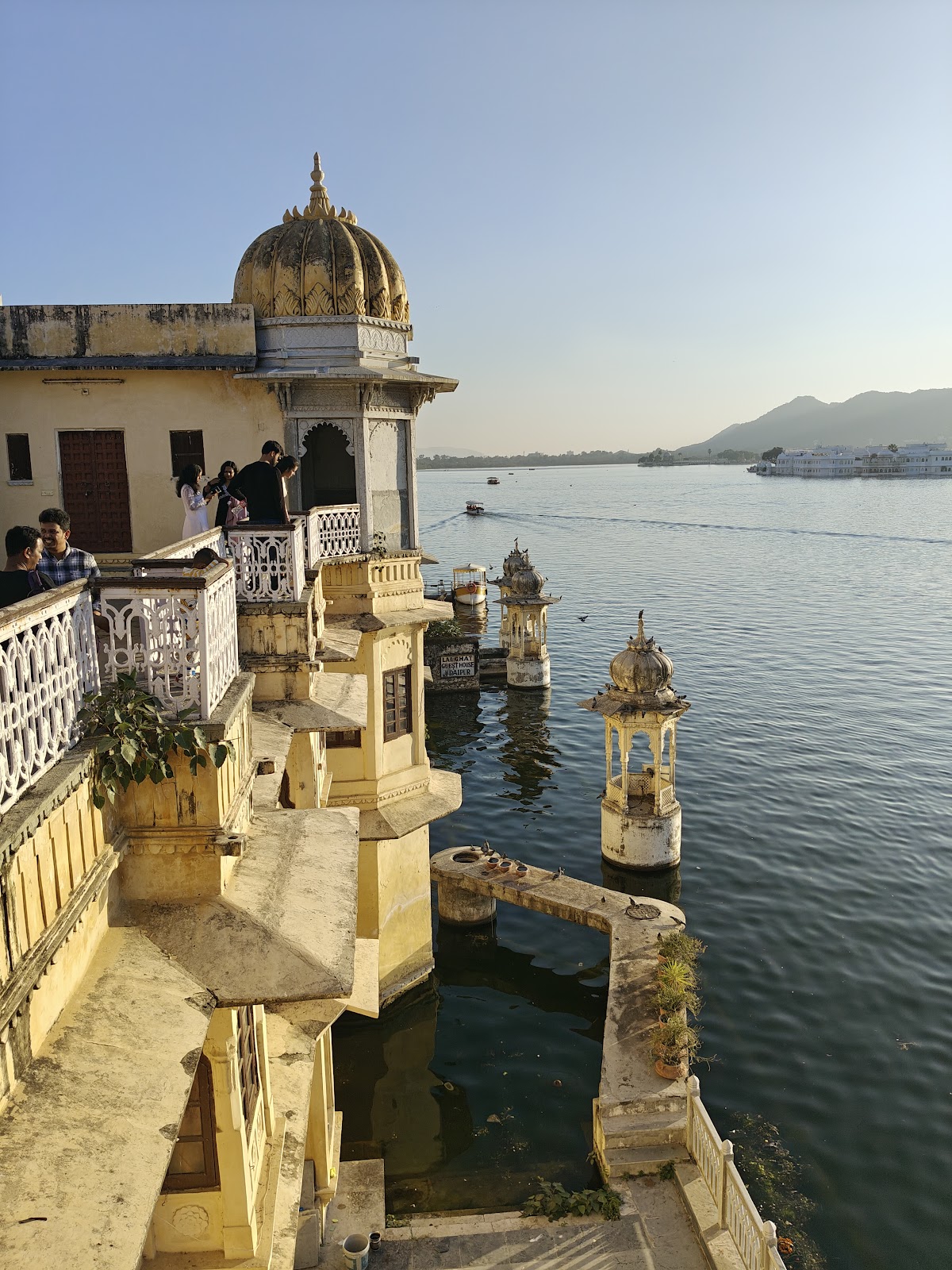
The engine cuts to a putter, the Lake Palace turns from white to honey to rose, and every phone on the boat goes up at once.
The jetty is near the City Palace complex, and the late-afternoon boat is the one you want (aim to board 60 to 90 minutes before sunset). As you push off, the whole skyline rearranges itself: City Palace stacking up on your left, the marble Lake Palace sitting mid-water like it's levitating, and the ghats filling with families come to watch the same show you are.
Most boat tickets include a stop at Jagmandir, the island palace with the elephant statues and a quiet garden cafe. Climb out, walk the terrace, let the light do its thing.
Tickets run roughly 400 to 700 rupees (about 5 to 9 USD) depending on sunset timing, paid at the City Palace ticket window. Bring a light layer; the breeze off the water has a chill once the sun drops.
Morning Bells at Jagdish Temple
Carved elephants march up the plinth, bare feet slap cool marble, and a bell the size of a bucket rings right as you step through the door.
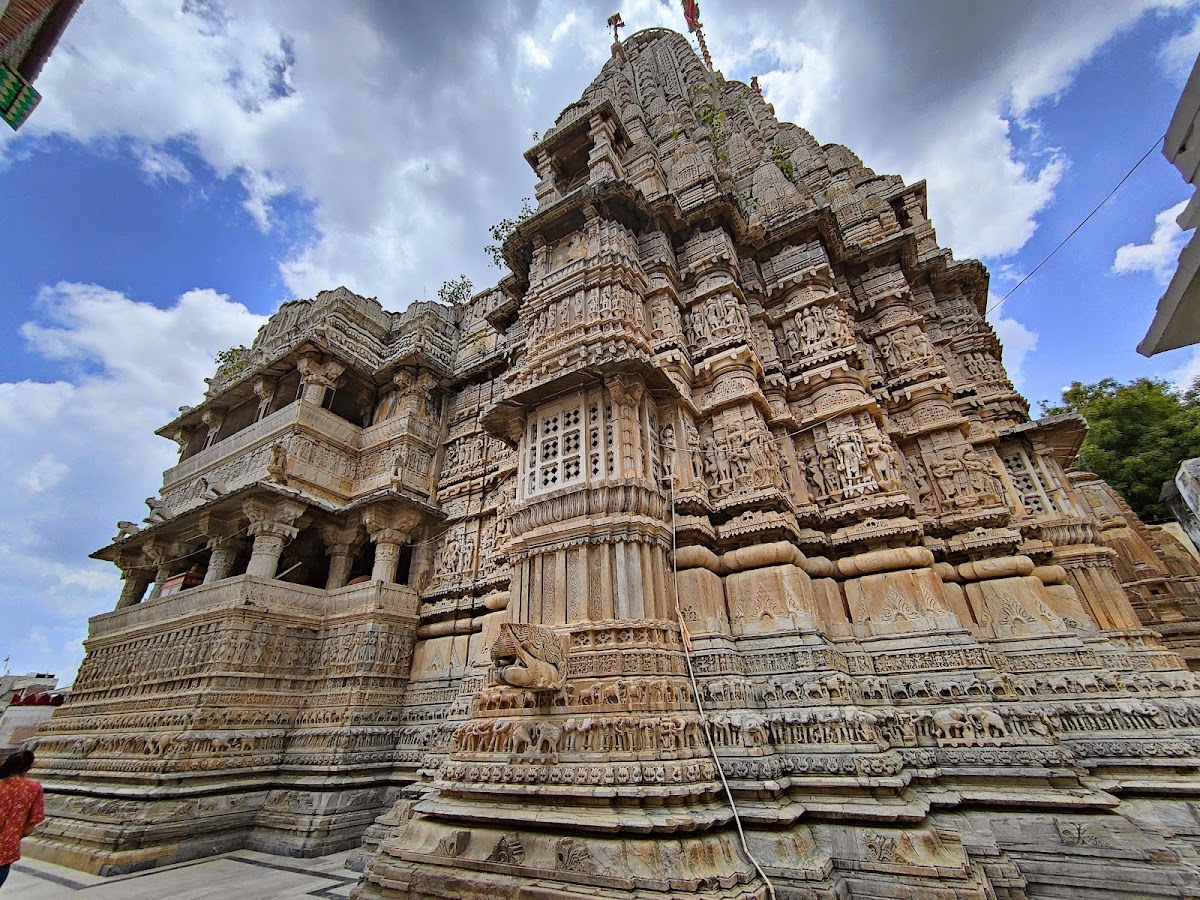
Start day two early and on foot. Jagdish Temple is a two-minute walk up from the main Jagdish Chowk, and the morning aarti (ceremony) is when it's most alive: incense, drums, and locals doing a quick pre-work blessing.
It's an Indo-Aryan stack of carved stone from the 1650s, dedicated to Vishnu, and the detail work on the outer walls rewards a slow lap. Shoes come off at the base (there's a minder, tip a few rupees), and shoulders and knees stay covered.
From here the whole old city is walkable. You're about to climb into its biggest building.
The City Palace, Balcony After Balcony
Mirror-tiled rooms throw light in every direction, and then a window frames Lake Pichola so perfectly it looks staged.
This is the big one, a 400-year, multi-generational pile of courtyards, the largest palace complex in Rajasthan. Give it two to three hours minimum. The route funnels you up through the zenana (women's quarters), peacock mosaics, and the glittering Sheesh Mahal, with lake views opening up at every turn.
General entry is around 300 rupees (about 4 USD); the museum sections and the crystal gallery cost extra and the camera fee is separate, so carry small notes. Go in the morning before tour groups thicken the stairways.
When the heat builds, do what the city does: find a rooftop. Plenty of restaurants around Gangaur Ghat and Lal Ghat point their tables straight at the water. Order a thali, a cold lime soda, and take an hour over lunch with the Lake Palace shimmering below you.
Fountains and Marble at the Garden of the Maidens
Jets of water arc over black-marble pools, a row of carved elephants spits fountains, and the air drops a few degrees the moment you walk in.
Sahelion-ki-Bari, the Garden of the Maidens, was built in the 1700s as a retreat for the queen's attendants, and it still feels like a cool-down button. The fountains famously run on gravity alone, fed from Fateh Sagar Lake uphill, no pumps, so they've been doing this for centuries.
Entry is tiny, around 10 rupees, and the whole thing is a gentle 30 to 45 minute wander: lotus pools, a small central pavilion, bougainvillea everywhere. It's the shady breather your afternoon needs.
Then, as the day cools, head back toward the ghats for something that only happens after dark.
Spinning Skirts and Firelight at Bagore-ki-Haveli
A woman balances eleven brass pots on her head and dances, flames flicker across a 250-year-old haveli courtyard, and the drums get under your ribs.
The Dharohar folk dance show at Bagore-ki-Haveli is the best hour of the evening and the easiest thing to love in Udaipur. The haveli itself sits right on Gangaur Ghat, so you arrive along the water as the lamps come on.
The program rolls through Rajasthani and Gujarati dances: swirling ghoomar, puppetry, the famous Bhavai balancing act with the stacked pots. It's a proper courtyard, open to the sky, with the old mansion walls lit up around you.
Shows run nightly, usually starting around 7 pm, with tickets about 150 rupees plus a small camera fee (roughly 2 to 3 USD total). Turn up 30 minutes early; the good floor-cushion spots near the front go fast. See the Bagore-ki-Haveli museum listing for current timings.
The Whole Valley From the Monsoon Palace
The road corkscrews up a forested hill, and then the entire lake city spreads out below you, gold and glassy in the late sun.
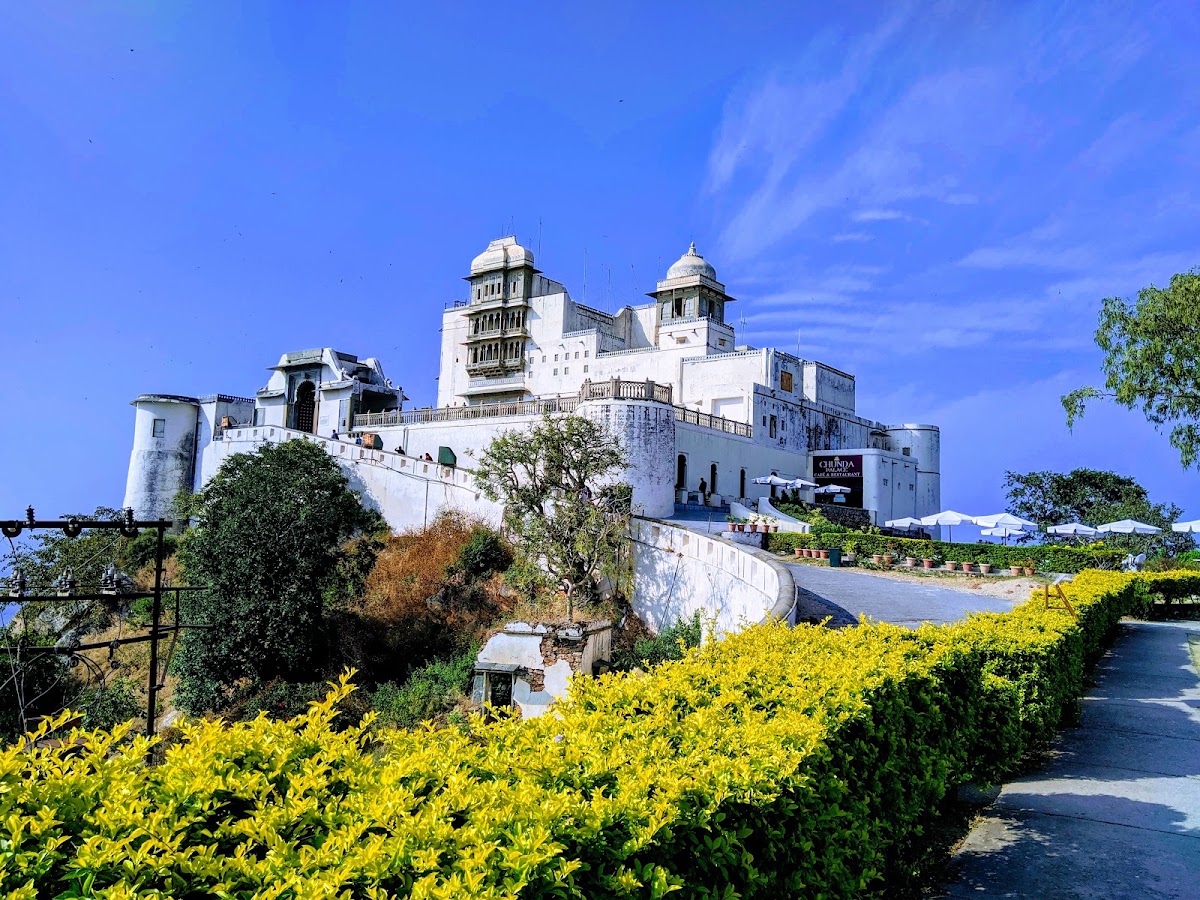
Save Sajjangarh, the Monsoon Palace, for a late afternoon on day three. It crowns a hill inside a wildlife sanctuary, which is why the air up here feels cleaner and the view runs for miles: all the lakes, the old city, the Aravalli ridges behind.
Note the sanctuary entry structure: there's a fee to enter the Sajjangarh Wildlife Sanctuary and the palace itself, and private cars usually park partway with a shared jeep covering the final steep stretch. Budget around 300 to 400 rupees all in (about 4 to 5 USD). Confirm closing time before you go so you're not racing the gate.
On the way back down, swing by Fateh Sagar Lake for the opposite mood: a breezy promenade, families out for evening walks, chaat carts, and boats bobbing by the shore. It's the city's casual lakeside, and a perfect slow lead-in to a proper Rajasthani dinner. Order the dal baati churma and the gatte ki sabzi, and don't skip dessert.
One Last Lake Breakfast Before the Airport
Toast and chai on a rooftop, the water still mirror-flat, and the palaces catching the first soft light of the morning.
Day four is for going slow. Take breakfast somewhere with a view, a hotel terrace or one of the little lake-facing cafes near Lal Ghat, and let Udaipur show off one more time while it's quiet and uncrowded.
If you've still got an hour, this is the window for last bits of shopping: miniature paintings, block-printed textiles, and silver from the bazaars around Jagdish Chowk and Hathi Pol. Haggle gently and you'll do fine.
Then it's the 45-minute run back to DBD airport. Pre-book the car the night before so your morning stays as calm as the lake. For visa and current entry details, check your government source (Indian e-Visa portal) well before you travel.
Ready to book?
Book the rest of Udaipur, India
Handpicked partner searches, dates pre-filled. Pricing is identical to going direct — the partner shares a small commission with Tabi so this guide stays free.
Frequently asked
How many days do you need in Udaipur?
Four days is the sweet spot. It covers the City Palace, Lake Pichola, the gardens, the folk dance show, and the Monsoon Palace, while leaving slow mornings and a free afternoon for shopping or just resting by the water. Two days is enough to hit the highlights if you're tight, but you'll feel rushed.
What's the best time of year to visit Udaipur?
October to March is ideal, with warm days and cool evenings that make the rooftop dinners and hill-palace sunsets genuinely pleasant. April to June gets very hot, and July to September brings the monsoon, which fills the lakes beautifully but can mean sticky, rainy afternoons.
Is the Lake Pichola sunset boat worth it?
Yes, it's the quintessential Udaipur experience. The late-afternoon departure times the ride for golden hour and usually includes a stop at Jagmandir island. Buy tickets at the City Palace jetty window and aim to board 60 to 90 minutes before sunset for the best light.
How do you get around Udaipur?
The old city is best explored on foot; lanes near Jagdish Temple and the ghats are narrow and walkable. For the Monsoon Palace, Fateh Sagar, and the airport, use a pre-booked car or auto-rickshaw. Agree on the fare before you set off if you're not on a fixed-price transfer.
What food should you try in Udaipur?
Go for a Rajasthani thali with dal baati churma, gatte ki sabzi, and ker sangri. Lake-facing rooftops around Lal Ghat and Gangaur Ghat are great for lunch with a view, and the evening is the time for a traditional Rajasthani dinner. Fateh Sagar's promenade is good for casual chaat.
Skip the planning
Your Udaipur, India trip, ready to go
Adopt the day-by-day itinerary we built to match this guide. Every stop is a real place, every booking link is validated. Free forever, no card needed.
Open the Udaipur, India itinerary