
Venice, Italy
What to Do in Venice in 4 Days: Canals, Glass, and the Colors of Burano
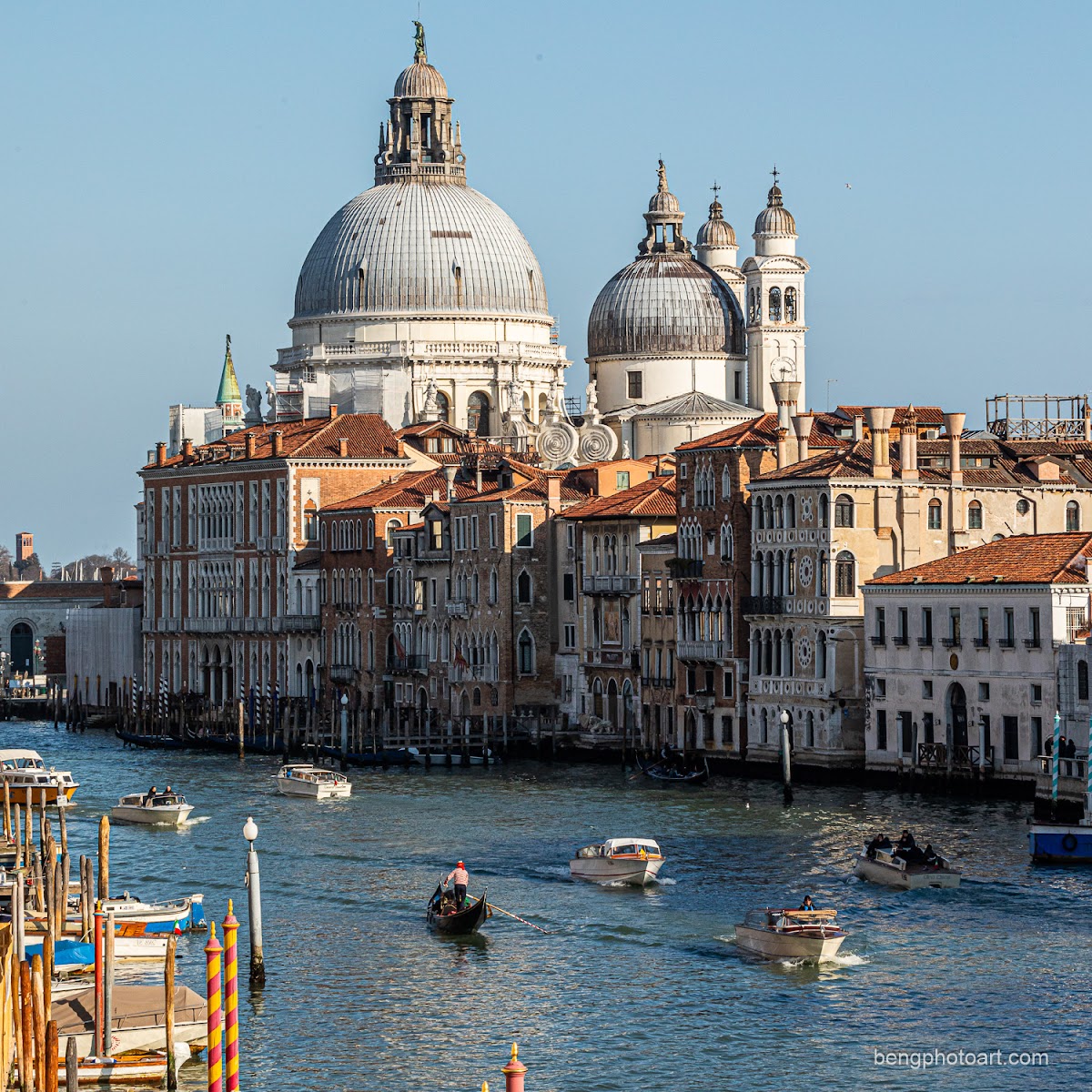
A slow walk through Venice, from the first splash off the airport dock to the pink light behind Santa Maria della Salute.
TL;DR
Venice unfolds when you stop rushing, so let it, one canal, one glass furnace, one plate of sardines at a time.
- Arrive by water taxi and watch the city rise from the lagoon
- Piazza San Marco glowing gold after the day-trippers leave
- Sardines and a splash of wine standing up at a Rialto bacaro
- Murano's glowing furnaces and Burano's candy-bright canal houses
- Santa Maria della Salute catching the last pink light on day four
Have this trip planned in 60 seconds
We built the Venice, Italy itinerary that pairs with this guide, day-by-day with verified venues and one-tap booking links. Free to adopt, edit however you want.
The Airport Dock Where the Road Just Ends
You walk out of Marco Polo, follow the signs, and the pavement stops at open water. No taxi rank, just boats bobbing against wooden pilings.
This is the moment Venice tells you the rules are different here. Step down into a sleek wooden water taxi or the shared Alilaguna water bus, and the mainland slides away behind you.
The taxi is the splurge (roughly 120 to 140 euro, about 130 to 150 USD, for the boat, not per person), and it drops you at a canal-side dock steps from your hotel. The Alilaguna is the honest budget move at around 15 euro (16 USD), a slower cruise with luggage on your lap and the lagoon opening up on both sides.
Either way, look up as you approach. The domes and bell towers come into focus across the water like something rising out of the sea, and you'll understand why people write poems about this arrival.
Dropping Your Bag in the Quiet Half of Venice
The scent of stone and canal water in a narrow calle, your suitcase wheels loud on the paving, then silence again the second you step inside.
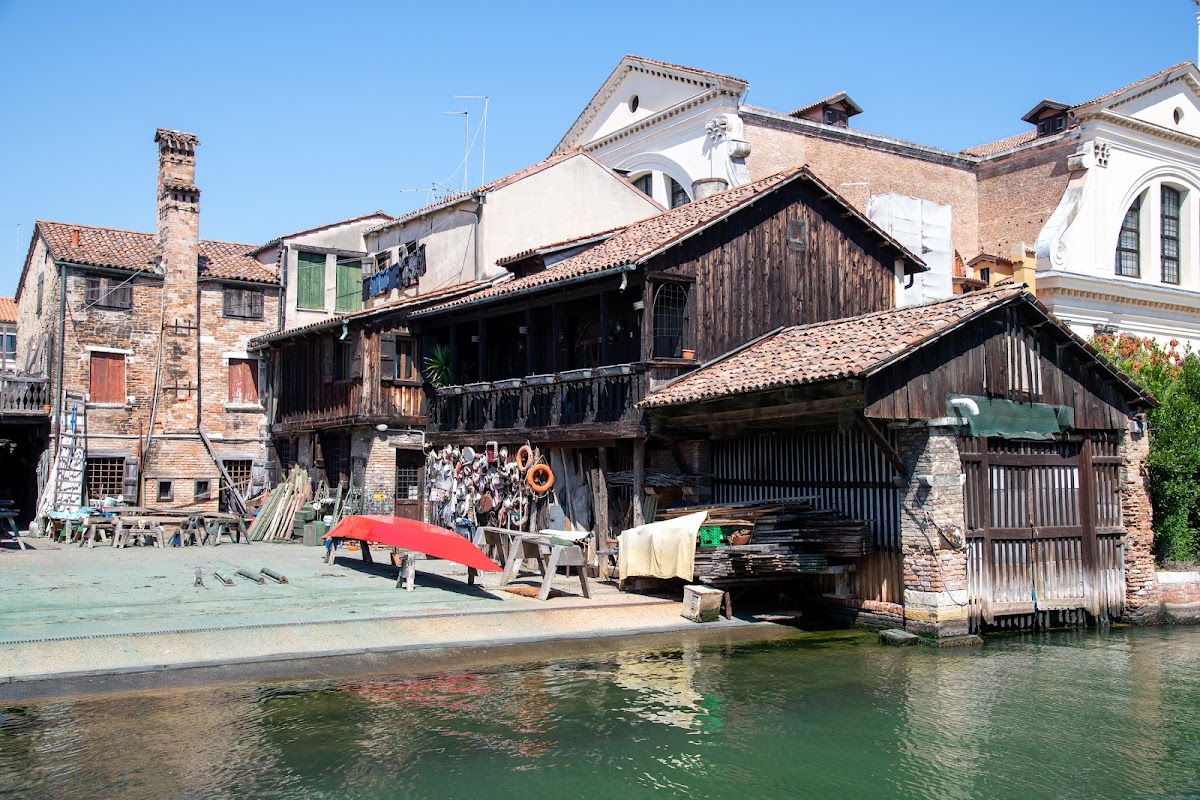
Where you sleep changes the whole trip. San Marco puts you in the middle of the postcard, close to everything and busy with it. Dorsoduro, just across the water, is where students and locals actually live, with wine bars, the Accademia, and mornings you can hear church bells instead of rolling suitcases.
A small boutique place in either sestiere is the sweet spot. Book something with a canal view if the budget stretches; there is nothing like throwing open shutters to a gondola gliding past.
Drop the bag, splash cold water on your face, and get straight back out. Daylight in Venice is too good to nap through.
Piazza San Marco After the Day-Trippers Leave
By early evening the tour groups thin out, a lone cafe orchestra tunes up, and the whole square turns the color of warm honey.
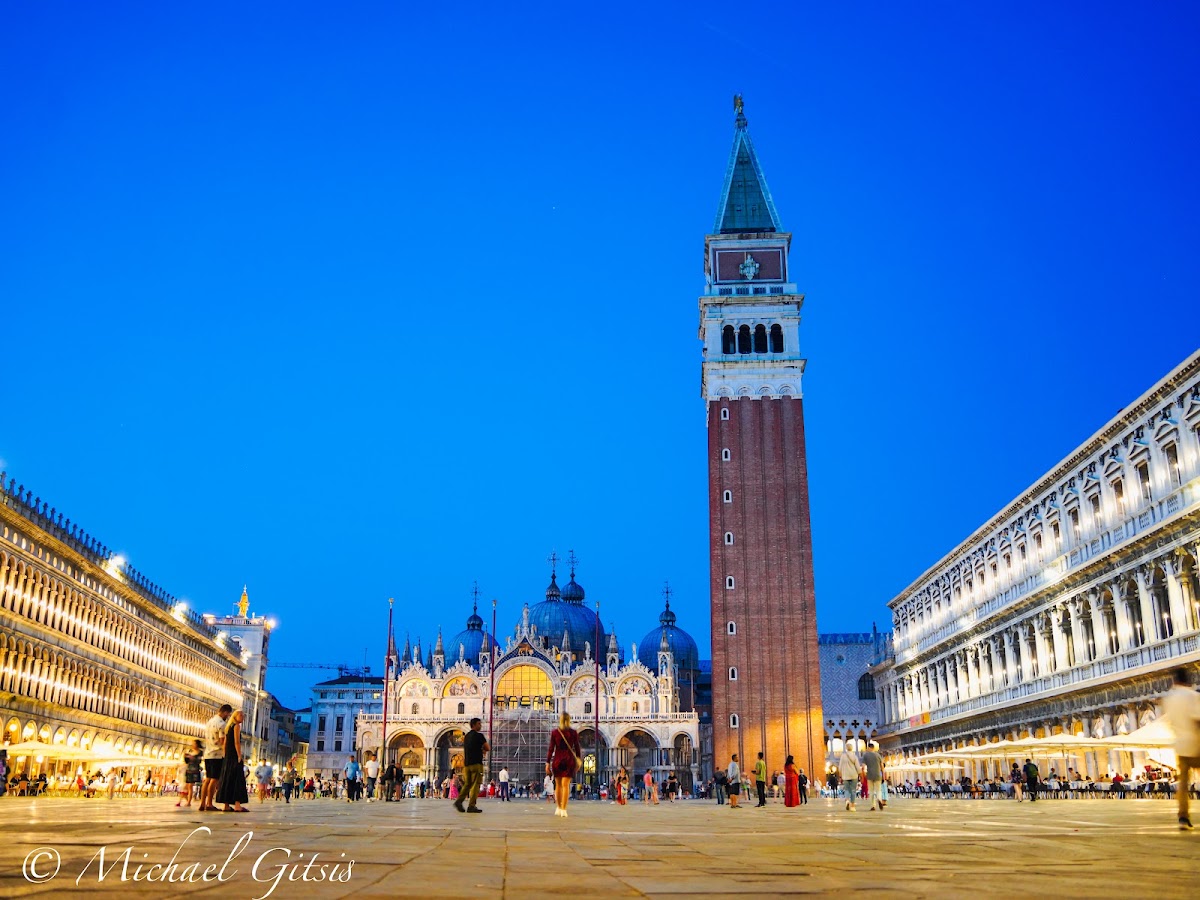
Come for the first evening, not the midday crush. Piazza San Marco at golden hour is one of the great free spectacles in Europe: the basilica's mosaics catching the low sun, pigeons scattering, the Campanile throwing a long shadow across the paving.
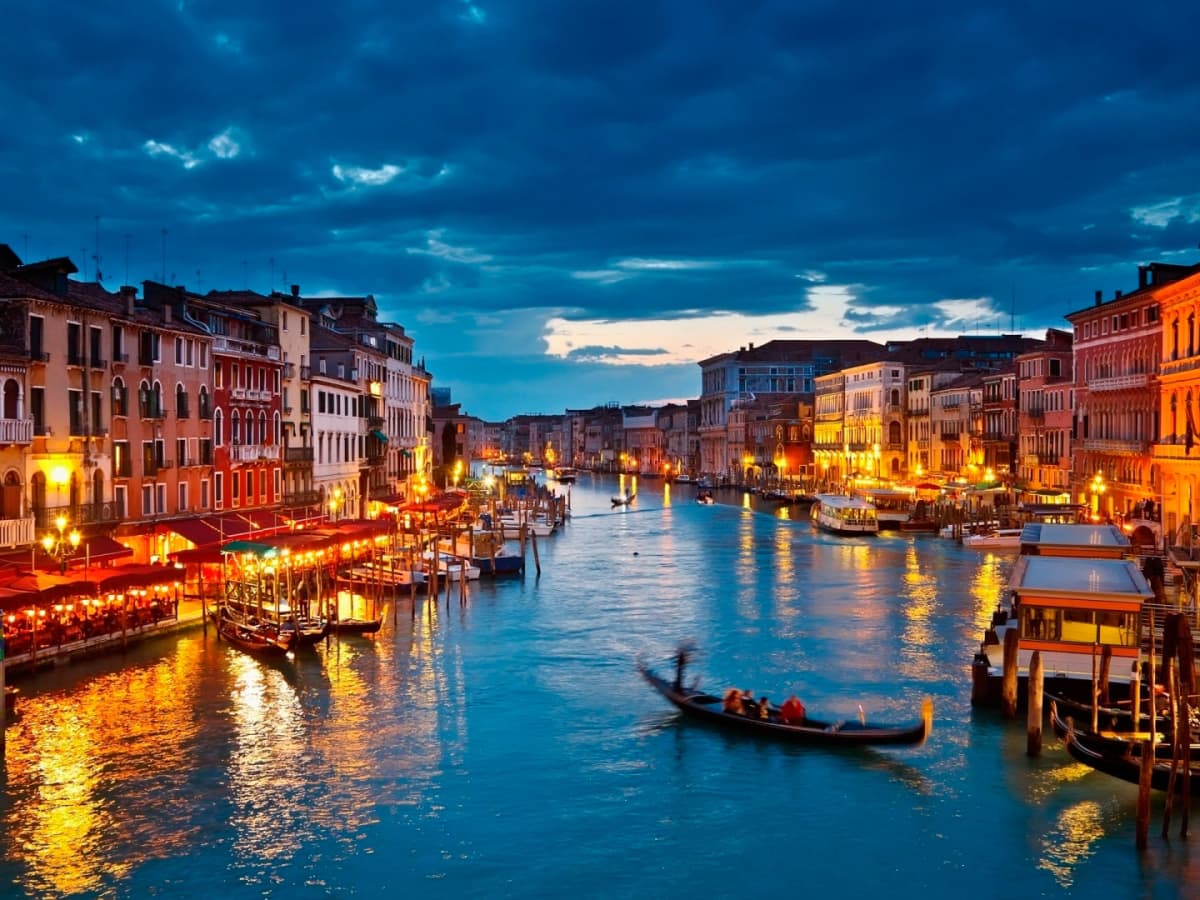
Walk it slowly, then drift down to the water at the edge of the square where the Grand Canal meets the lagoon. Gondolas rock at their moorings and the light does something ridiculous behind the domes of Santa Maria della Salute across the water.
Yes, the cafes here charge a small fortune for a coffee (expect 10 to 12 euro, about 11 to 13 USD, with the music surcharge). Order one anyway, once, and let yourself pay for the seat and the view. Then go find dinner somewhere cheaper down a side street.
Standing Up for Lunch at a Rialto Bacaro
A marble counter crowded with little toasts, a glass of cold white in your hand, and the fish market's briny smell drifting in from around the corner.
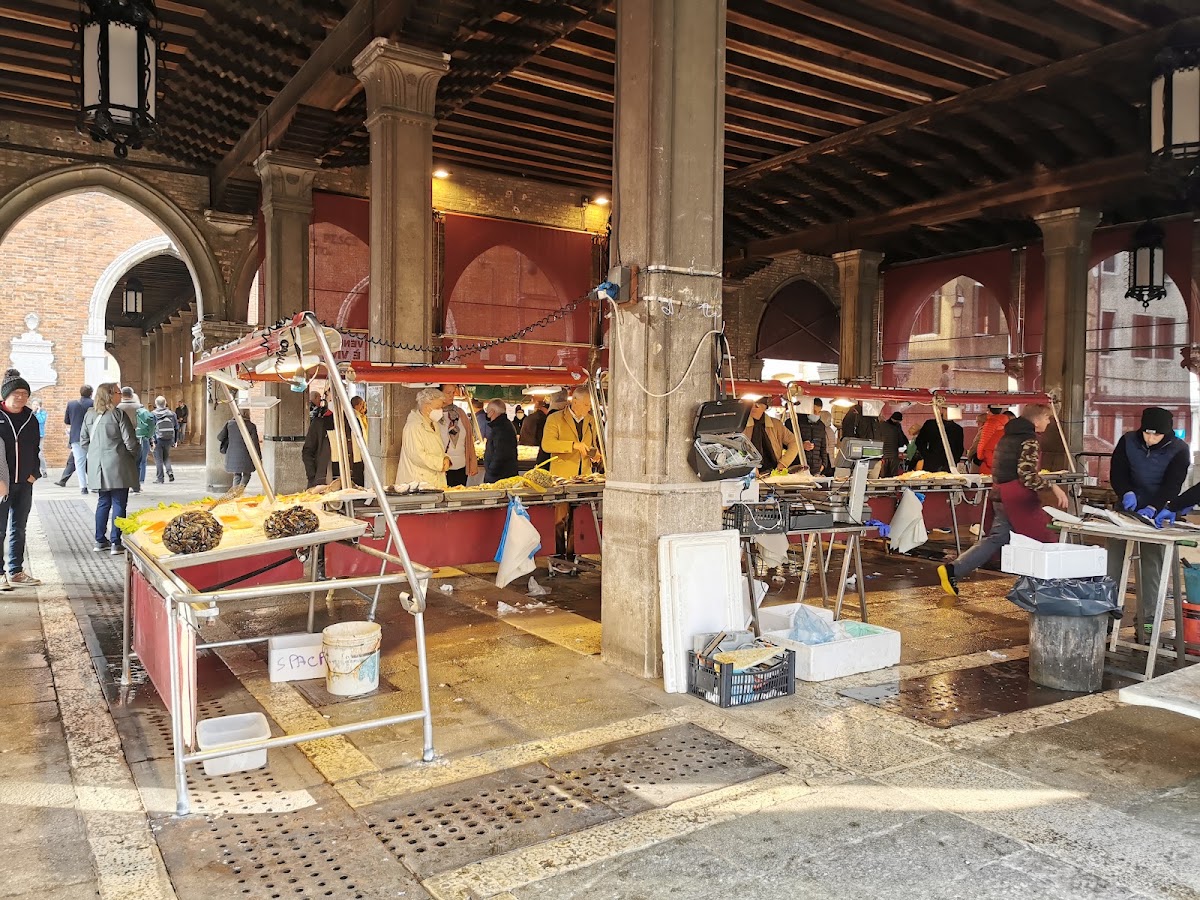
This is how Venetians actually eat lunch. A bacaro is a tiny wine bar serving cicchetti, small bites on bread: creamy baccala, sweet-sour sardines, a slice of soft cheese. You point, you eat standing up, you wash it down with an ombra (a small glass of wine).
The streets just behind the Rialto Market are thick with them. A couple of cicchetti and a glass runs about 6 to 10 euro (7 to 11 USD), and it beats any sit-down tourist menu on the main drag.
Go early, before 11am, if you want to catch the Rialto fish and produce market still buzzing. The stalls stacked with lagoon seafood are half the reason the food here tastes the way it does.
Gold Ceilings and a Gondola Down a Back Canal
Inside the basilica, thousands of gilded mosaic tiles glow in the half-dark like the whole ceiling is on fire. Outside, a gondolier calls out as he takes a tight corner.
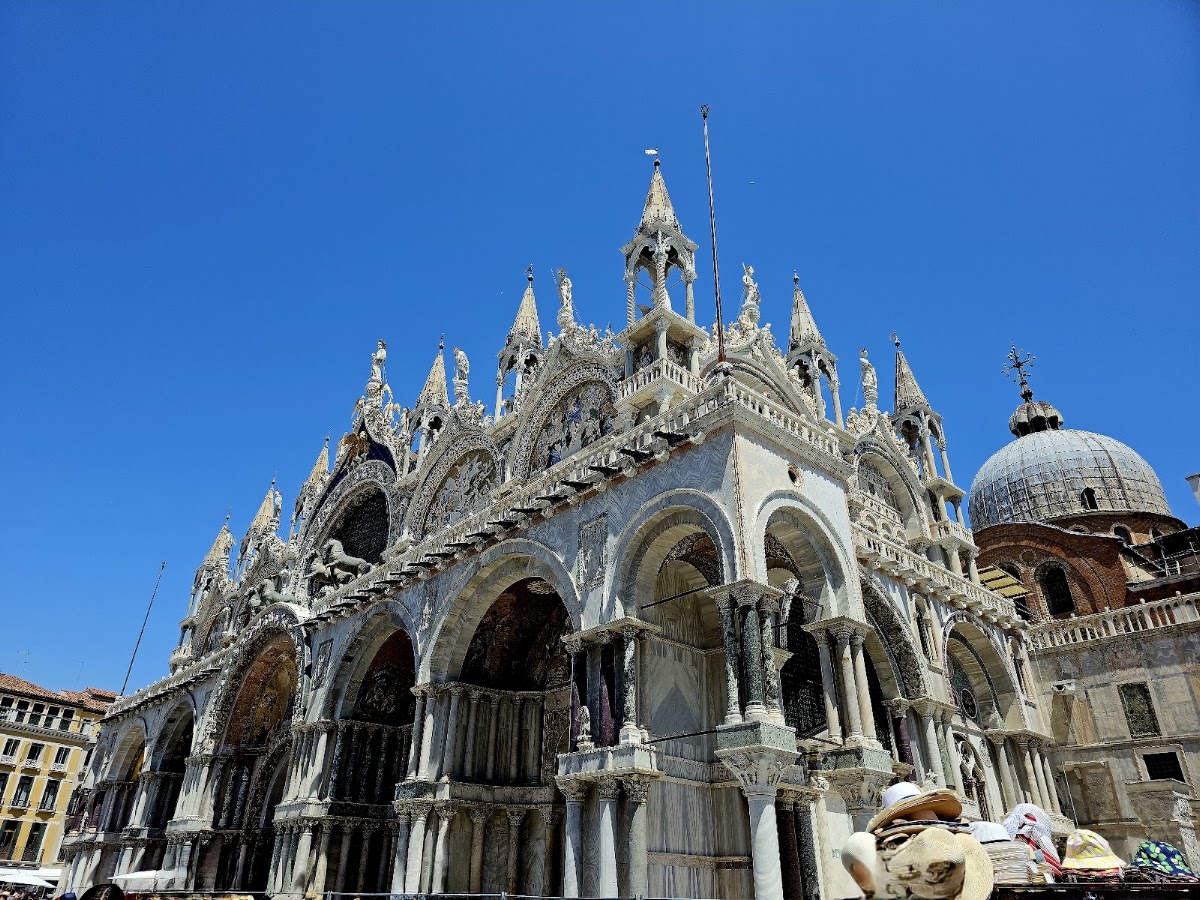
St. Mark's Basilica is the big set-piece, and it earns it. Book a timed entry to skip the worst of the queue, and pay the few extra euro for the Pala d'Oro and the upstairs loggia, where you step outside among the bronze horses and look straight down onto the square.
Next door, the Doge's Palace walks you through gilded council chambers and across the Bridge of Sighs into the old prison cells. If you only have energy for one interior beyond the basilica, make it this. For the classic panorama, ride the lift up the Campanile (around 10 euro, 11 USD) for a rooftop view over the whole tangle of red roofs.
End the day on the water itself. A gondola ride is a cliche and completely worth it if you do it right: pick a boat on a quiet minor canal rather than the packed Grand Canal, agree the price first (the official rate is about 80 to 90 euro, 87 to 98 USD, for roughly 30 minutes, shared between up to five people), and just let him row you through the silence.
Watching Molten Glass on Murano
The furnace roars, a blob of orange-hot glass spins on the end of a rod, and thirty seconds later it's a horse. You actually gasp.
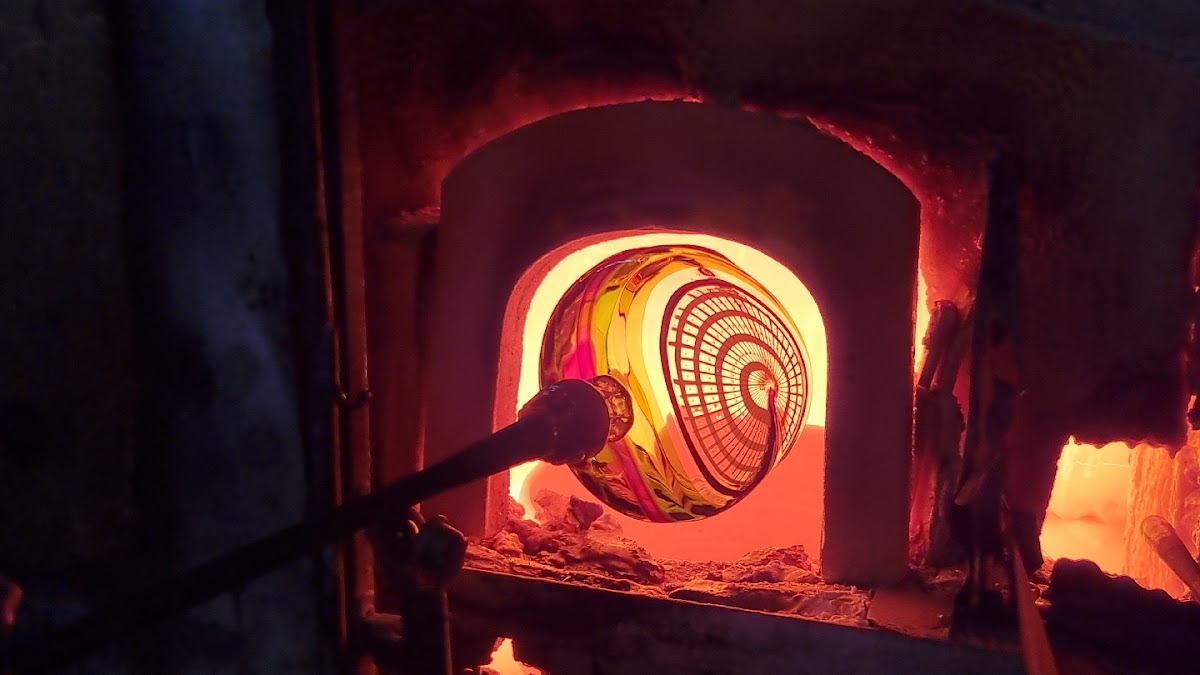
Hop the vaporetto (Line 4.1 or 4.2, about 30 minutes) north across the lagoon to Murano, where Venice sent its glassmakers centuries ago to keep the fires away from the wooden city. The furnace demonstrations are free or a couple of euro, and watching a maestro pull a shape out of liquid glass with a few flicks of the wrist never gets old.
The showrooms range from serious art pieces to affordable little souvenirs. Look for the sticker that marks genuine Murano glass if you're buying something real, since a lot of cheap imitation stuff gets passed off to tourists.
Murano is quieter and wider than central Venice, with its own smaller canal running through the middle. Wander a bit before you catch the boat onward. The best is still to come.
Burano, Where Every House Is a Different Color
You round a corner and the whole canal explodes into color: cobalt next to lime next to hot pink, each little house a fresh crayon, all doubled in the water.
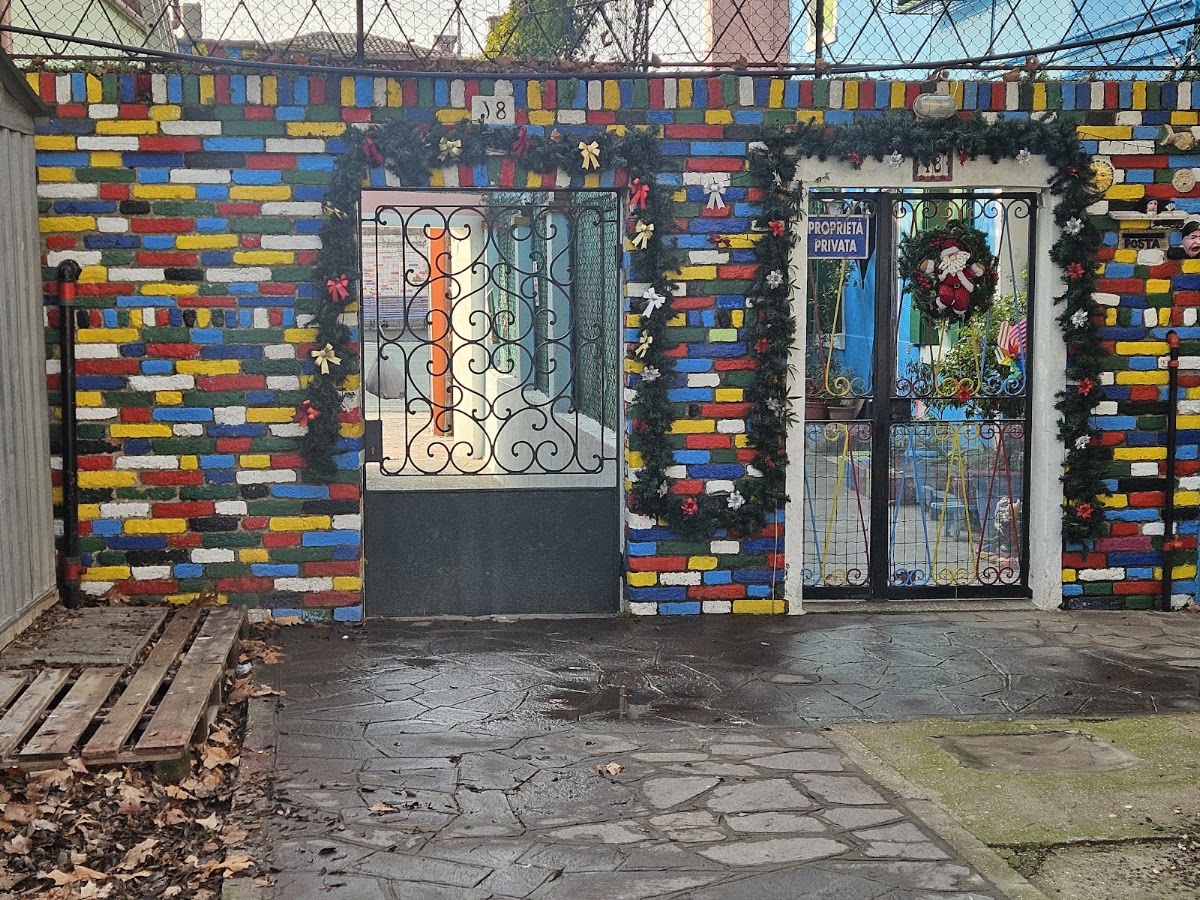
This is the day you'll photograph the most. Take Line 12 out to Burano (around 45 minutes) and step into a fishing village painted like a box of sweets. The legend goes that fishermen painted their houses bright so they could spot home through the lagoon fog, and the tradition stuck.
Wander the tiny canals, poke into the lace shops (Burano's other old craft), and find the leaning bell tower that never quite got straightened. Every alley is a photo, so slow down and let yourself get a little lost.
Stay for a seafood lunch here, unhurried, at a canal-side trattoria. Order the risotto de go, made from a small lagoon fish, and a plate of fritto misto. Then catch the boat back to Venice (Line 12 again) with tired feet and a full camera roll.
One Last Church, and the Pink Light on the Water
Breakfast: a warm cornetto and a cappuccino at a marble counter, standing shoulder to shoulder with locals. Then the great white dome of the Salute against a pale morning sky.
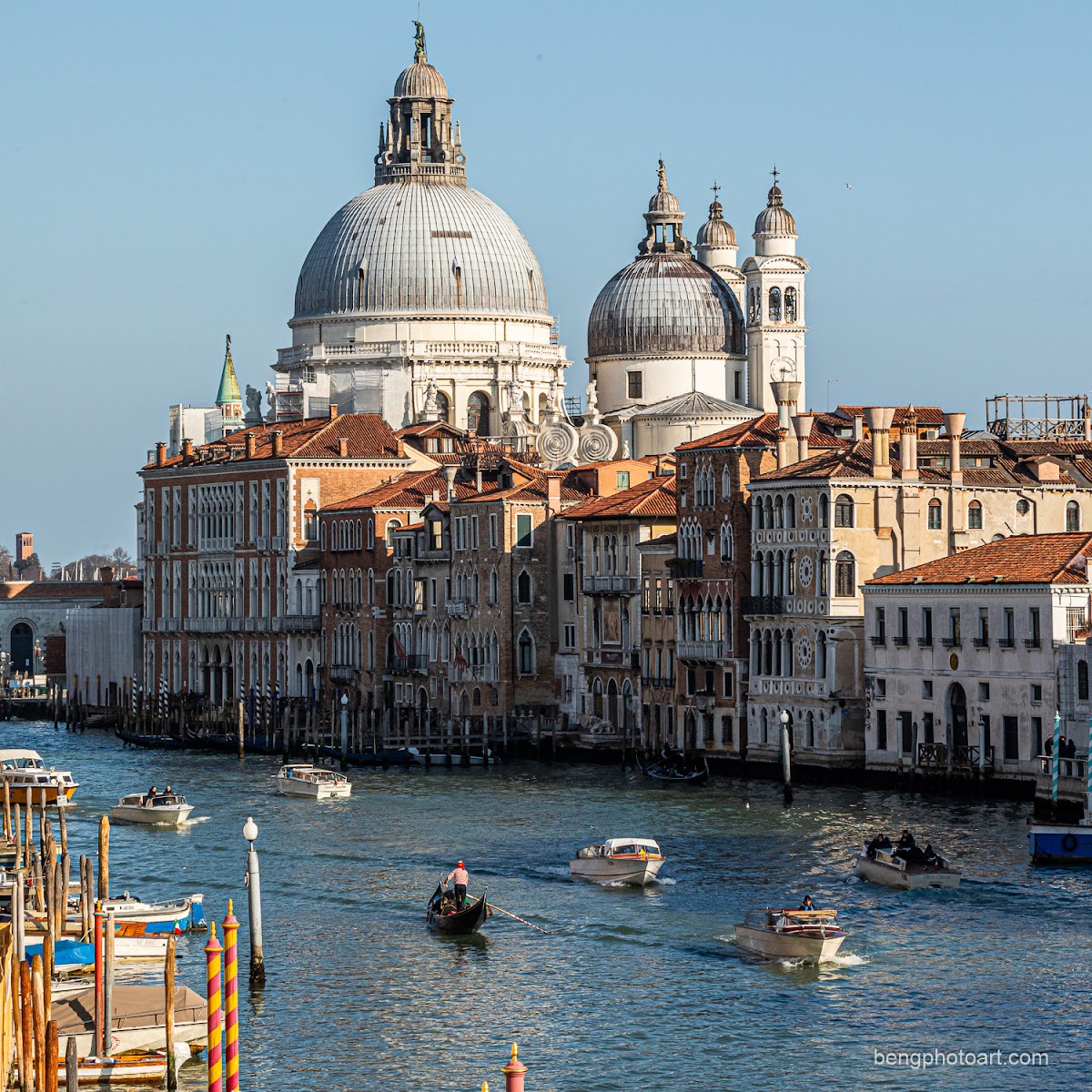
Save the softest morning for last. Start with a proper Italian breakfast at a traditional caffe, a coffee and a pastry taken standing at the bar the way Venetians do it, for a fraction of the sit-down price.
Then walk out to the tip of Dorsoduro where Santa Maria della Salute rises, a huge baroque church built in thanks for the end of a plague. Step inside for the cool marble and quiet, then keep going to the Punta della Dogana, the old customs point at the very end of the peninsula. From here the Grand Canal and the lagoon open out in both directions, and if the light is right the whole scene glows pink and gold.
It's the perfect last picture before you gather your bag and head back to the dock. A water taxi or the Alilaguna will carry you back out across the lagoon to Marco Polo, Venice shrinking behind you until it's just domes on the horizon again.
Ready to book?
Book the rest of Venice, Italy
Handpicked partner searches, dates pre-filled. Pricing is identical to going direct — the partner shares a small commission with Tabi so this guide stays free.
Frequently asked
How many days do you really need in Venice?
Four days is the sweet spot. Two days cover central Venice (San Marco, the basilica, Doge's Palace, Rialto, and a gondola ride), a third day is perfect for the lagoon islands of Murano and Burano, and a fourth gives you a relaxed morning in Dorsoduro without cramming. Two days works if you're pressed, but you'll skip the islands, which many visitors end up loving most.
Is the water taxi from Marco Polo Airport worth it, or should I take the Alilaguna?
It depends on budget and mood. A private water taxi is a genuine treat and costs roughly 120 to 140 euro (130 to 150 USD) for the boat, dropping you close to your hotel. The shared Alilaguna water bus is about 15 euro (16 USD) per person, slower, and stops at set docks, so you may still have a short walk with your bag. If it's your first arrival and the budget allows, the taxi makes an unforgettable entrance.
How much does a gondola ride cost and how do I avoid overpaying?
The official rate is around 80 to 90 euro (87 to 98 USD) for about 30 minutes during the day, and higher after dark. That price is for the whole boat, not per person, so split it among up to five people. Agree the price and route before you step in, and choose a gondolier on a quiet minor canal rather than the crowded Grand Canal for a calmer, prettier ride.
What's the best way to visit Murano and Burano?
Take the public vaporetto rather than a rushed group tour if you want time to linger. Line 4.1 or 4.2 reaches Murano in about 30 minutes, and Line 12 continues to Burano in roughly 45 minutes. Do Murano first for the glass demonstrations, then Burano for lunch and the colorful houses, and return on Line 12. A multi-day vaporetto pass pays for itself on this kind of day.
When is the best time of day to see St. Mark's Square without the crowds?
Early morning, before about 9am, and evening after the day-trippers head back to their cruise ships and mainland hotels. The square is at its most magical in the golden light of early evening, when the mosaics glow and a cafe orchestra plays. Midday is the busiest and hottest stretch, so plan indoor sights or an island trip then.
Skip the planning
Your Venice, Italy trip, ready to go
Adopt the day-by-day itinerary we built to match this guide. Every stop is a real place, every booking link is validated. Free forever, no card needed.
Open the Venice, Italy itinerary