
Vienna, Austria
What to Do in Vienna in 5 Days: Cafes, Palaces, and the Walk You'll Remember
A picture-first walk through imperial Vienna, from marble-columned coffeehouses to the Ferris wheel that watches over the whole city.
TL;DR
Vienna rewards slow walkers and hungry ones, so bring an appetite for cake, cathedrals, and the odd waltz drifting out an open window.
- Sip melange under the vaulted ceilings of Cafe Central
- Crane your neck at St. Stephen's tiled, zig-zag roof
- Watch gold-leaf Klimt glow inside the Upper Belvedere
- Ride the 1897 Riesenrad for rooftops at sunset
- Split a wiener schnitzel bigger than your plate at Figlmueller
Have this trip planned in 60 seconds
We built the Vienna, Austria itinerary that pairs with this guide, day-by-day with verified venues and one-tap booking links. Free to adopt, edit however you want.
Coffee Under the Vaults at Cafe Central
The smell of roasted beans and warm apfelstrudel hits you before your eyes adjust to the marble columns rising into painted arches.
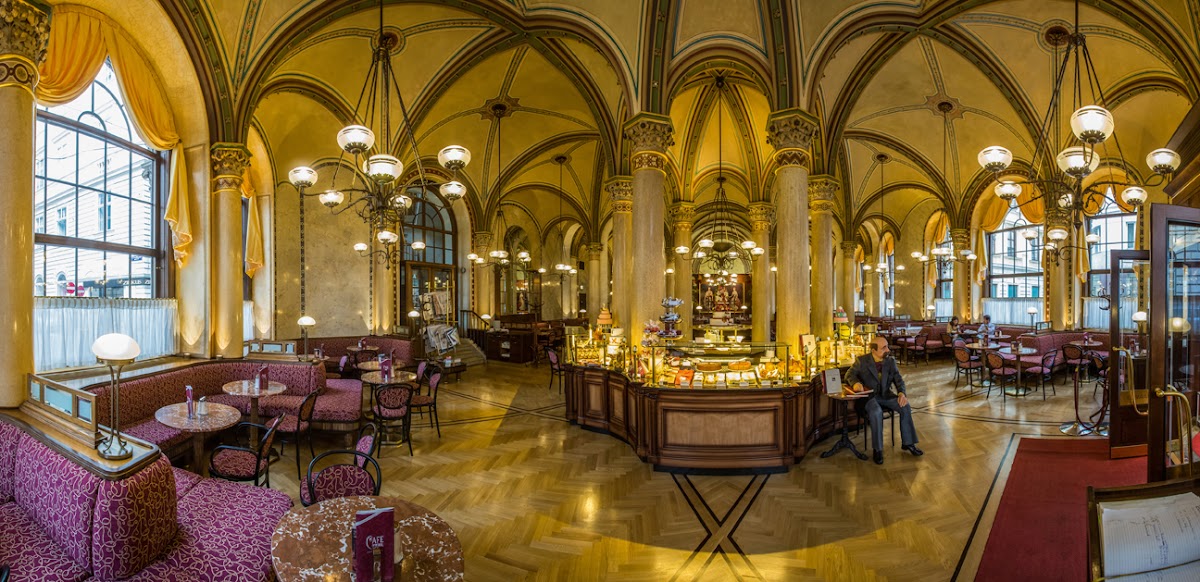
Start where the Viennese have argued philosophy for over a century. Cafe Central sits on the corner of Herrengasse in the Innere Stadt, and the moment you step in, the clatter of tiny spoons on porcelain tells you this is the real thing, not a stage set.
Order a melange (about 6 euros, roughly 6.50 USD) and a slice of cake, then let a black-vested waiter carry it to your table on a silver tray. This is how you set the pace for the whole trip. Rushed is not a Vienna word.
Sit near the front window and watch the light move across the columns. You are five minutes on foot from the Hofburg, so finish your coffee, then step back out into the old city.
The Palace That Ran an Empire
Green copper domes, white stone wings that seem to go on forever, and the crunch of gravel under horse hooves in the Heldenplatz.
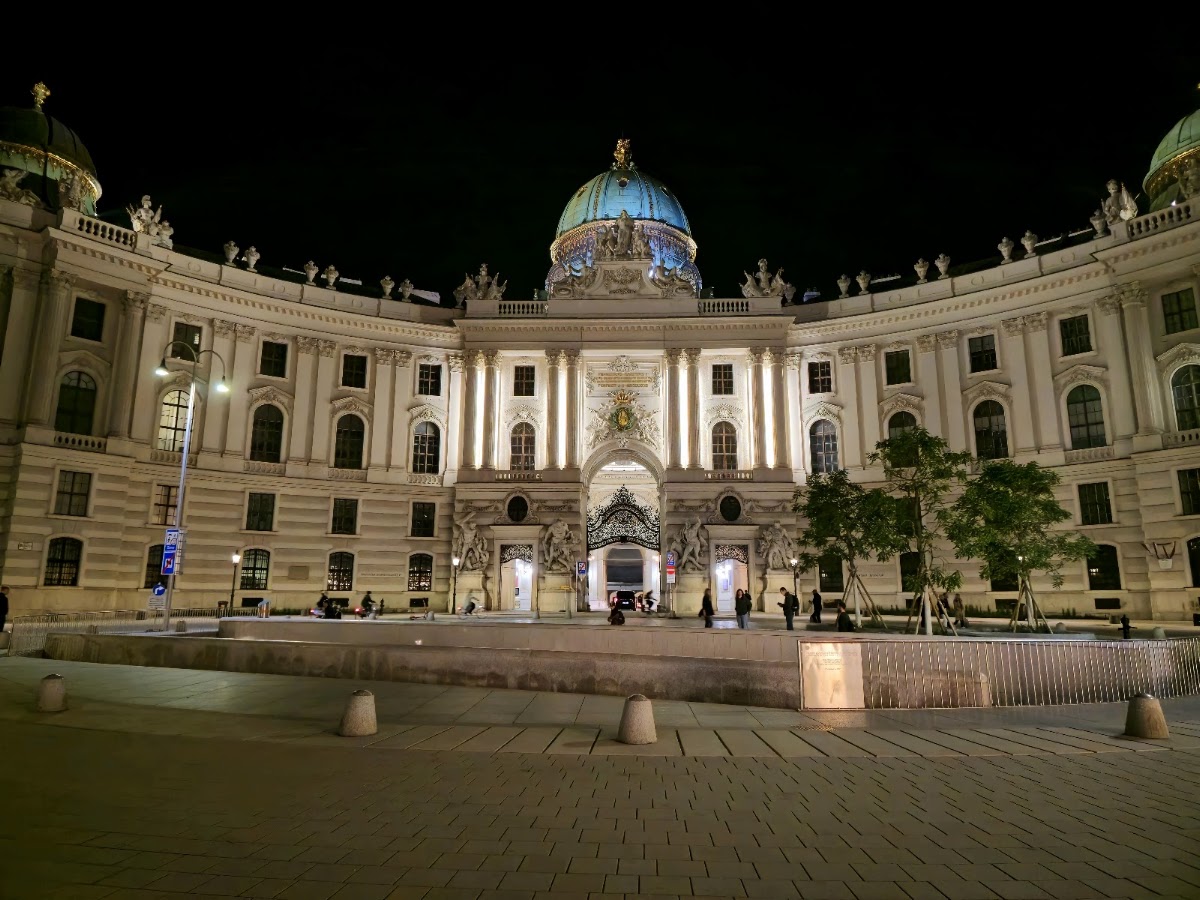
The Hofburg was home to the Habsburgs for more than 600 years, and walking through its courtyards you feel the sheer scale of a family that once ran half of Europe from these rooms.
Duck into the Imperial Apartments and the Sisi Museum if you want the human story behind the marble, all the private obsessions of an empress who hated being looked at. The State Hall of the Austrian National Library, a short walk inside the complex, is the reading room your book-loving friend has seen in a hundred photos and never known the name of.
Give yourself two hours here, more if the Spanish Riding School has a morning practice. Then aim for the cathedral spire you can already see poking above the rooftops.
That Zig-Zag Roof at St. Stephen's
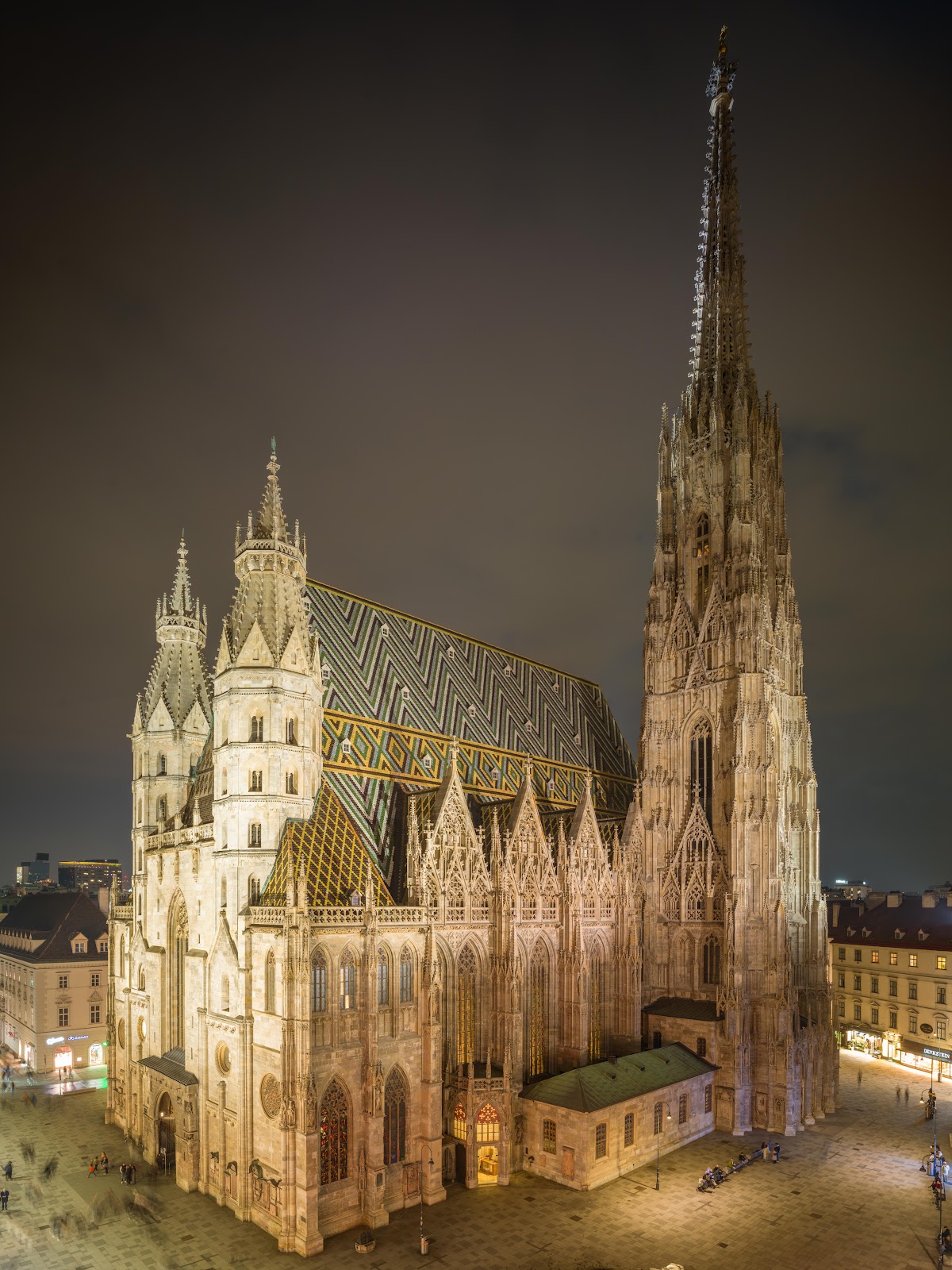
Look up and the cathedral roof is a river of glazed tiles in gold, green, and black, laid out in chevrons like something stitched by hand.
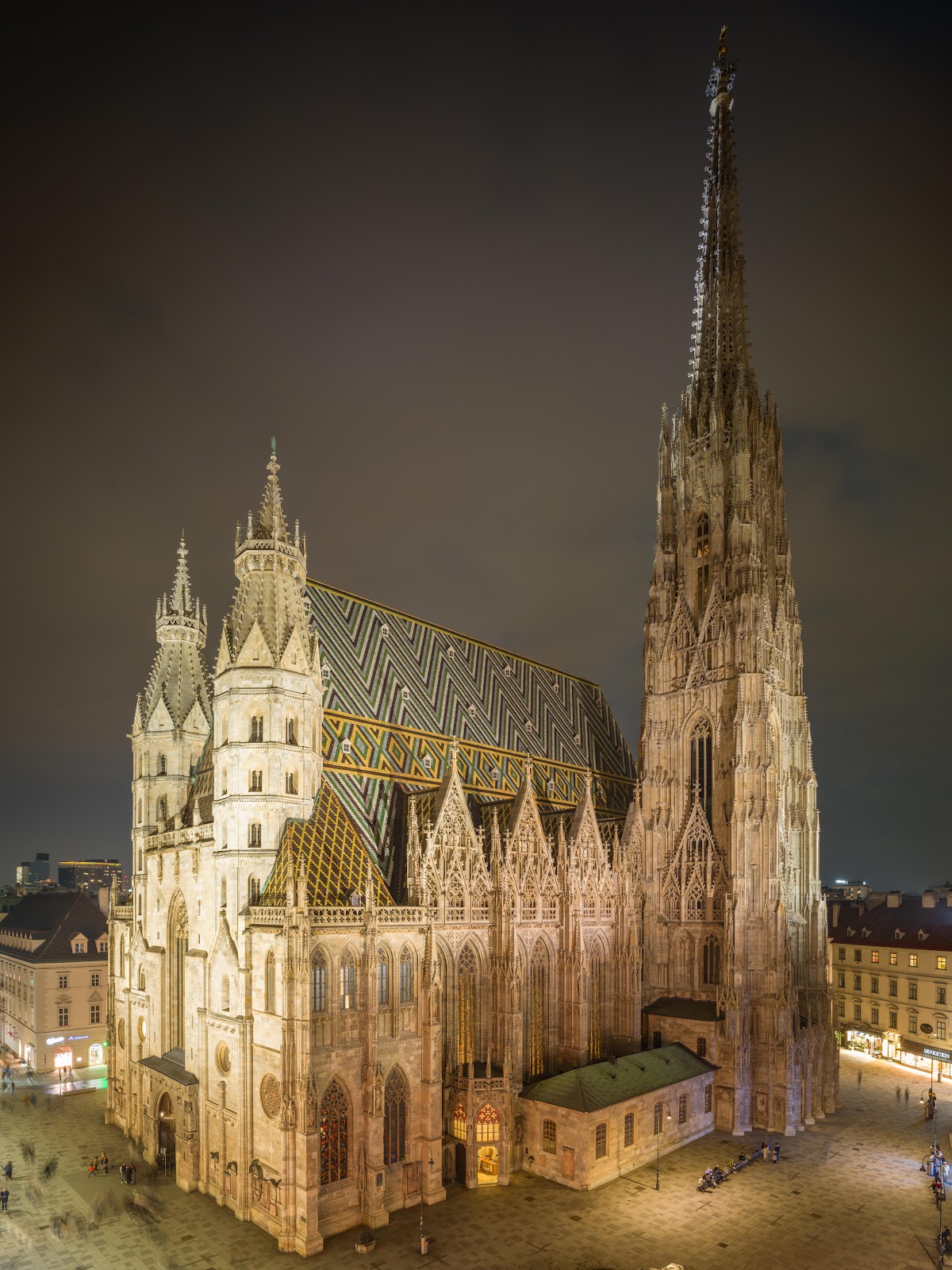
St. Stephen's, or Stephansdom to locals, is the beating center of the Innere Stadt, and every tram and every walking route seems to bend back toward it eventually. The south tower rises 136 meters, and the view from the top is worth the 343-step climb if your legs are willing (around 6 euros, about 6.50 USD).
Inside, the light through the stone is dim and cool, and the crowds hush without being told to. Slip down to the catacombs if you want a slightly eerie detour past the old Habsburg burial urns.
When hunger arrives, and it will, the answer is one street away on Wollzeile.
The Schnitzel That Hangs Off the Plate at Figlmueller
A wiener schnitzel so wide it drapes over the edge of the plate, golden and crackling, with a wedge of lemon and a cool potato salad on the side.
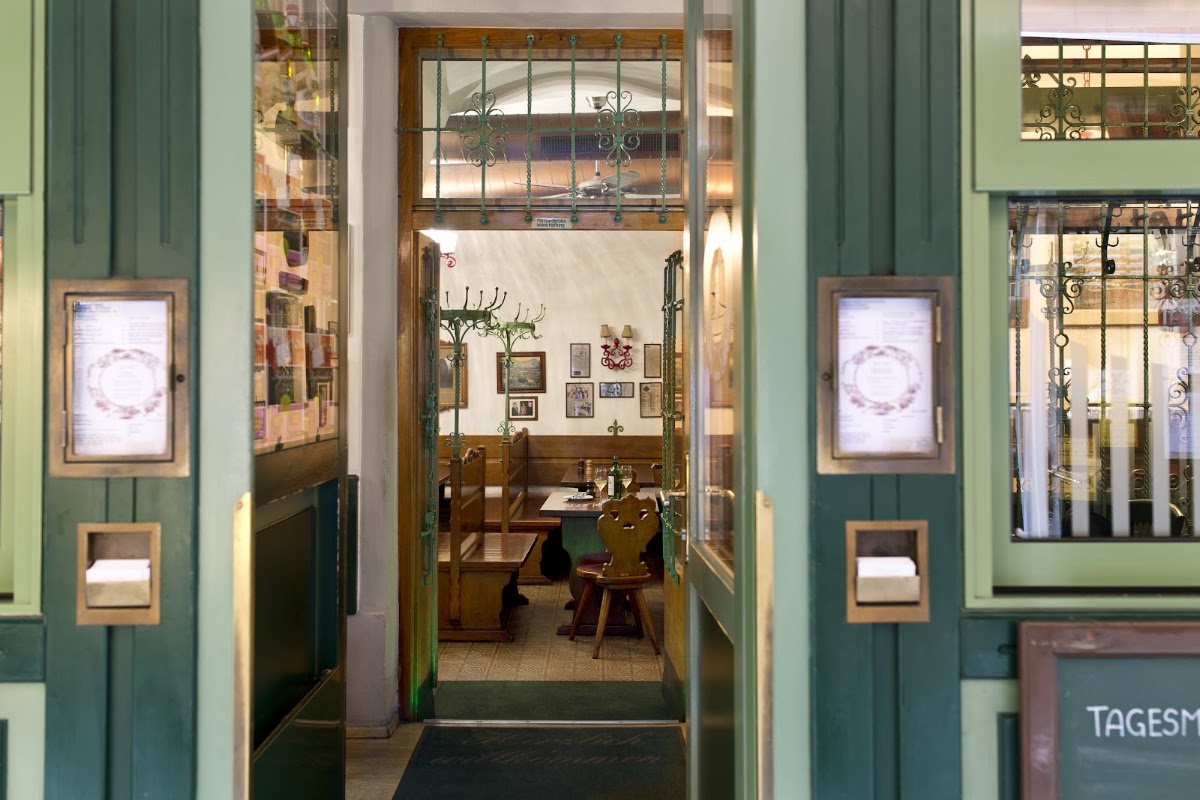
Figlmueller on Wollzeile has been frying its famous schnitzel since 1905, and it is hammered thin, breaded, and fried until it is the size of a small hubcap. One order (around 20 euros, roughly 22 USD) is genuinely enough for two lighter appetites.
This place fills up fast, so book ahead or arrive early. The narrow lane it sits on is exactly the kind of side street you would walk past without knowing what you were missing.
On another day, do the same ritual at Plachutta Wollzeile a few doors along, where the house dish is tafelspitz, tender beef simmered in broth and served in the copper pot. Two Viennese classics, one tiny street.
Bruegel, Vermeer, and a Cafe Under the Dome
A grand marble staircase, a ceiling by Klimt if you know where to tilt your head, and a hush broken only by footsteps on stone.
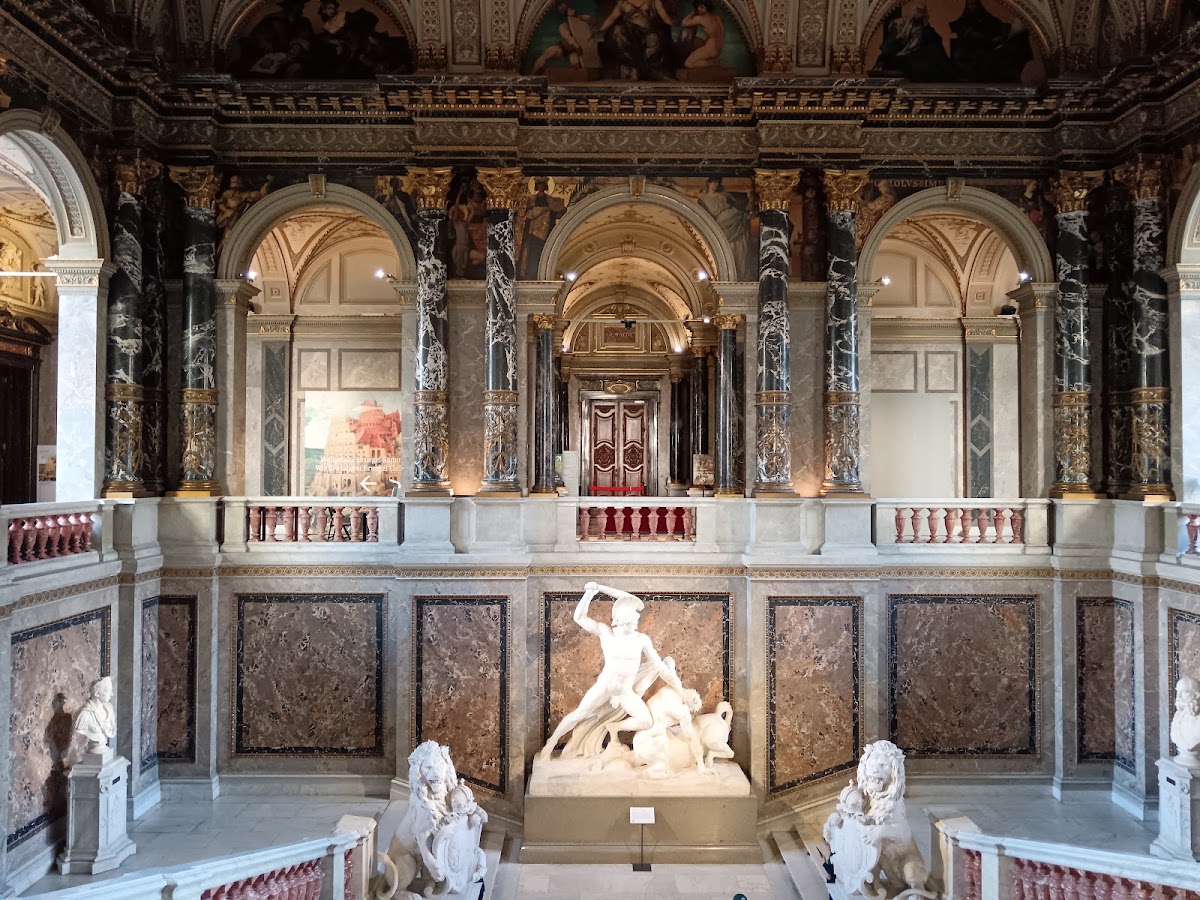
The Kunsthistorisches Museum, facing its twin across Maria-Theresien-Platz, holds the largest collection of Bruegel paintings on earth, plus Vermeer, Raphael, and a room of Egyptian stone that stops kids in their tracks. Entry runs about 21 euros (roughly 23 USD).
Do not skip the cafe under the central dome. Coffee and cake beneath that gilded cupola is one of the quiet pleasures of the city, and it costs the same as a coffee anywhere else.
When you want a change of century, cross into the MuseumsQuartier next door. The Leopold Museum there is your ticket to Egon Schiele and more Klimt, and the courtyards outside are where the whole city seems to eat lunch in warm weather.
Klimt's Gold Behind the Belvedere Gardens
Clipped hedges and stone sphinxes stretch away from a baroque palace, and inside, a canvas of two lovers wrapped entirely in gold leaf.
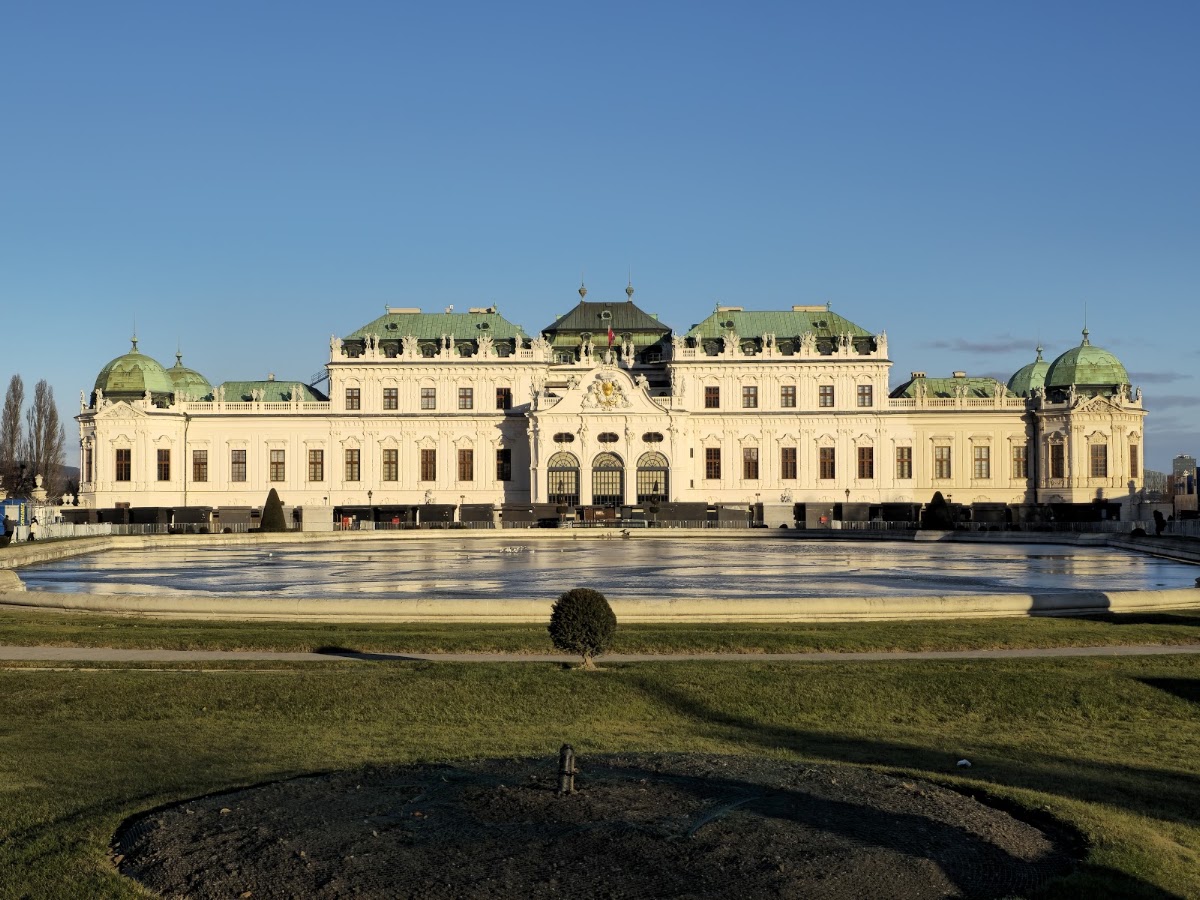
The Upper Belvedere holds Klimt's The Kiss, and standing in front of it in person the gold seems to actually glow, far brighter than any print ever manages. The palace itself is a baroque showpiece, and the terraced gardens sloping down toward the Lower Belvedere are free to wander (palace entry is around 17 euros, about 19 USD).
Go in the late afternoon when the light turns the yellow stone honey-colored and the crowds thin out. The reflecting pool between the two palaces gives you the postcard shot, the whole facade doubled in the water.
This corner of the Landstrasse district also puts you a short walk from Karlskirche, whose green dome and twin columns look almost too theatrical to be real.
Yellow Walls and Endless Gardens at Schoenbrunn
A palace the color of butter fills your whole view, and behind it a hill of green rises to a marble colonnade called the Gloriette.
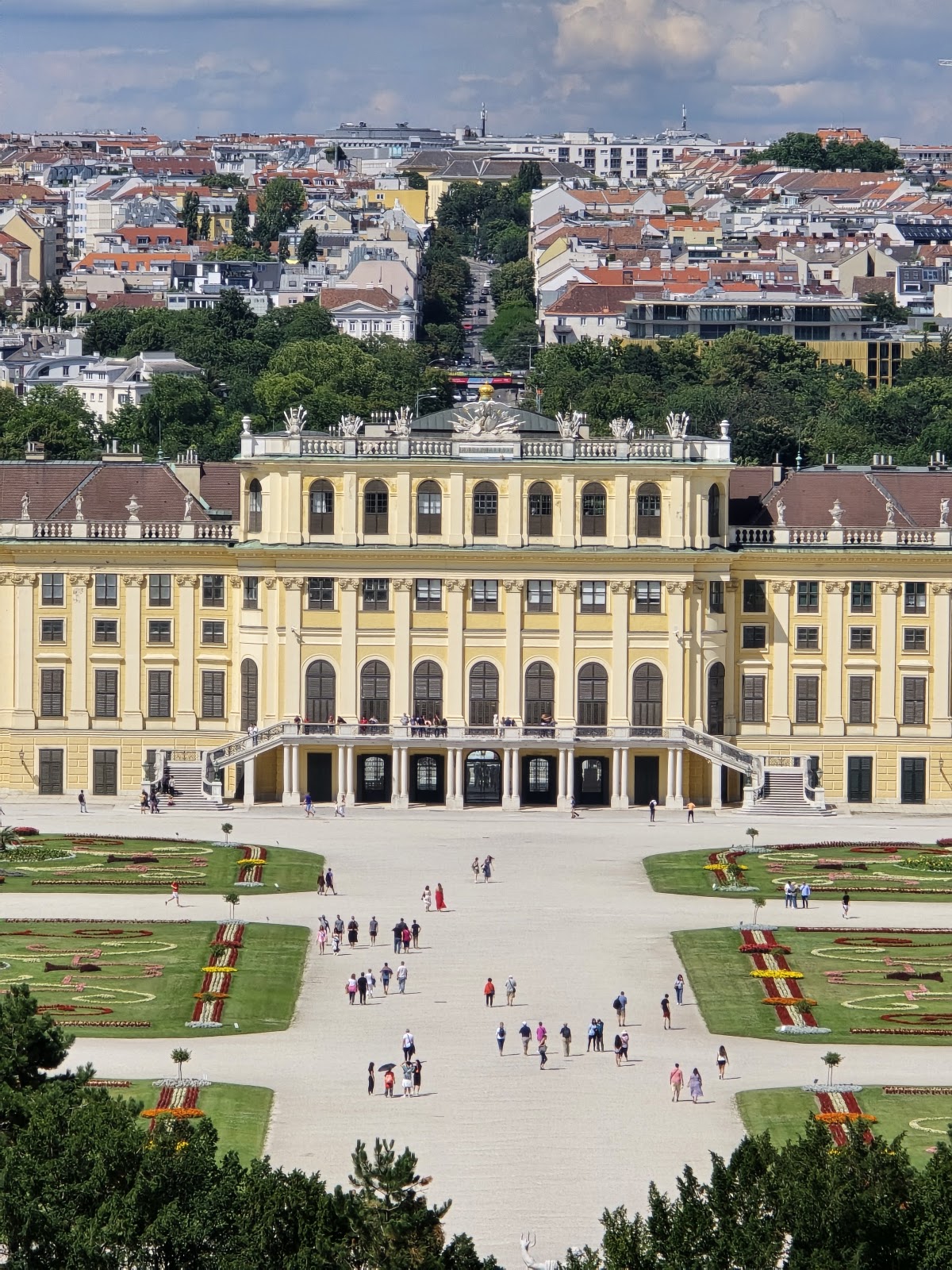
Schoenbrunn was the Habsburgs' summer escape, out in the Hietzing district, and it is enormous. The state rooms tell the story of Maria Theresa and a young Mozart who once played here as a child. A Grand Tour ticket runs around 32 euros (roughly 35 USD), and booking a time slot online saves you a long queue.
But the gardens are the real gift, and they are free. Walk up to the Gloriette on the hill for a view back over the palace roofs to the city center in the distance. The maze and the zoo (the oldest in the world) will happily eat another hour or two.
Grab a light lunch near the gates before you head back into town. You will have earned it.
Sunset From the 1897 Ferris Wheel in the Prater
A giant red Ferris wheel turns slowly against the evening sky, its wooden cabins swaying as the whole city spreads out beneath you in gold and shadow.
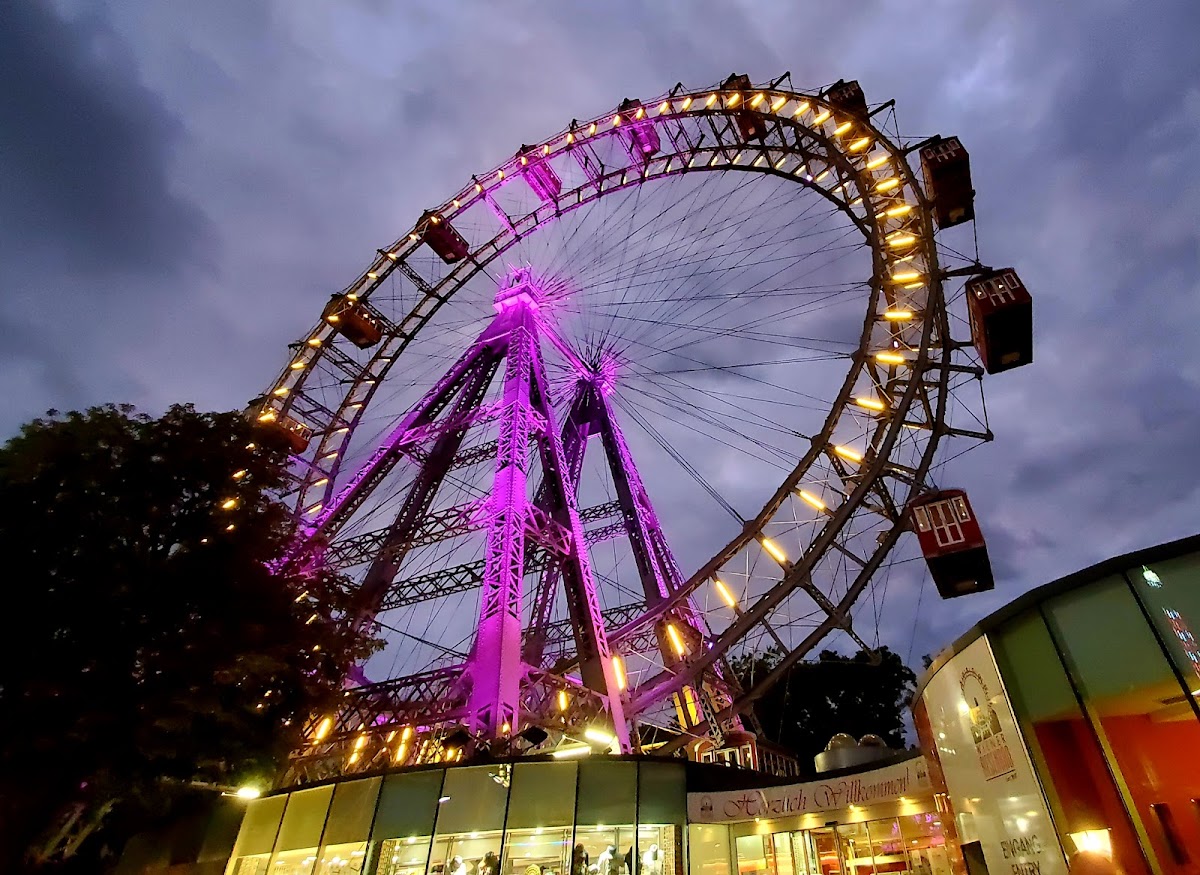
The Wiener Riesenrad in the Prater has been turning since 1897, and its old wooden gondolas are big enough to walk around inside. A ride is about 14 euros (roughly 15 USD), and timing it for sunset gives you the Danube, the cathedral spire, and the far hills all at once.
The Prater around it is part funfair, part huge green park, so you can ride the wheel, eat a bratwurst, then walk it off under the chestnut trees.
To close the trip properly, take a tram out to Grinzing on the edge of the Vienna Woods. The heurigen there are family wine taverns pouring this year's young white, with cold plates of cheese and cured meats and often an accordion somewhere in the back. It is the warmest, least imperial evening in the city, and the perfect last note.
Ready to book?
Book the rest of Vienna, Austria
Handpicked partner searches, dates pre-filled. Pricing is identical to going direct — the partner shares a small commission with Tabi so this guide stays free.
Frequently asked
How many days do you need in Vienna?
Five days is the sweet spot for a first visit. It covers the Hofburg, Schoenbrunn, and Belvedere without cramming, leaves time for two or three museums, and still gives you slow coffeehouse mornings and one evening out at a heuriger in Grinzing. Three days works if you skip Schoenbrunn's interior and focus on the Innere Stadt.
Is Vienna a walkable city?
Very. The historic center, the Innere Stadt, is compact and flat, and most of the big sights sit within a 20-minute walk of St. Stephen's Cathedral. For Schoenbrunn, the Belvedere, and the Prater you will want the U-Bahn or a tram, but the network is clean, punctual, and easy to figure out with a multi-day pass.
Should I book tickets for Schoenbrunn and the Belvedere in advance?
Yes, especially from spring through autumn. Schoenbrunn uses timed entry slots and can sell out for the day, so booking online saves both money and a long queue. The Belvedere gets busy around Klimt's The Kiss, and a timed ticket lets you walk straight in rather than lining up on the steps.
What is a heuriger and is it worth the trip out to Grinzing?
A heuriger is a traditional wine tavern where local families serve their own young wine alongside simple cold plates of cheese and cured meats. Grinzing, on the edge of the Vienna Woods, is the classic spot, reachable by tram in about half an hour. It is the most relaxed evening you will have in the city, well worth the ride.
How do I get from Vienna Airport to the city center?
The City Airport Train (CAT) runs to Wien Mitte in about 16 minutes, while the cheaper S-Bahn (line S7) takes closer to 25 minutes for a fraction of the price and stops at the same station. Both drop you in the Landstrasse district with easy U-Bahn connections onward.
Skip the planning
Your Vienna, Austria trip, ready to go
Adopt the day-by-day itinerary we built to match this guide. Every stop is a real place, every booking link is validated. Free forever, no card needed.
Open the Vienna, Austria itinerary