
Wadi Rum, Jordan
What to Do in Wadi Rum in 3 Days: Red Sand, Rock Bridges, and a Sky Full of Stars
A desert log through Jordan's Valley of the Moon, from the first 4x4 plume of dust to the slow camel ride home.
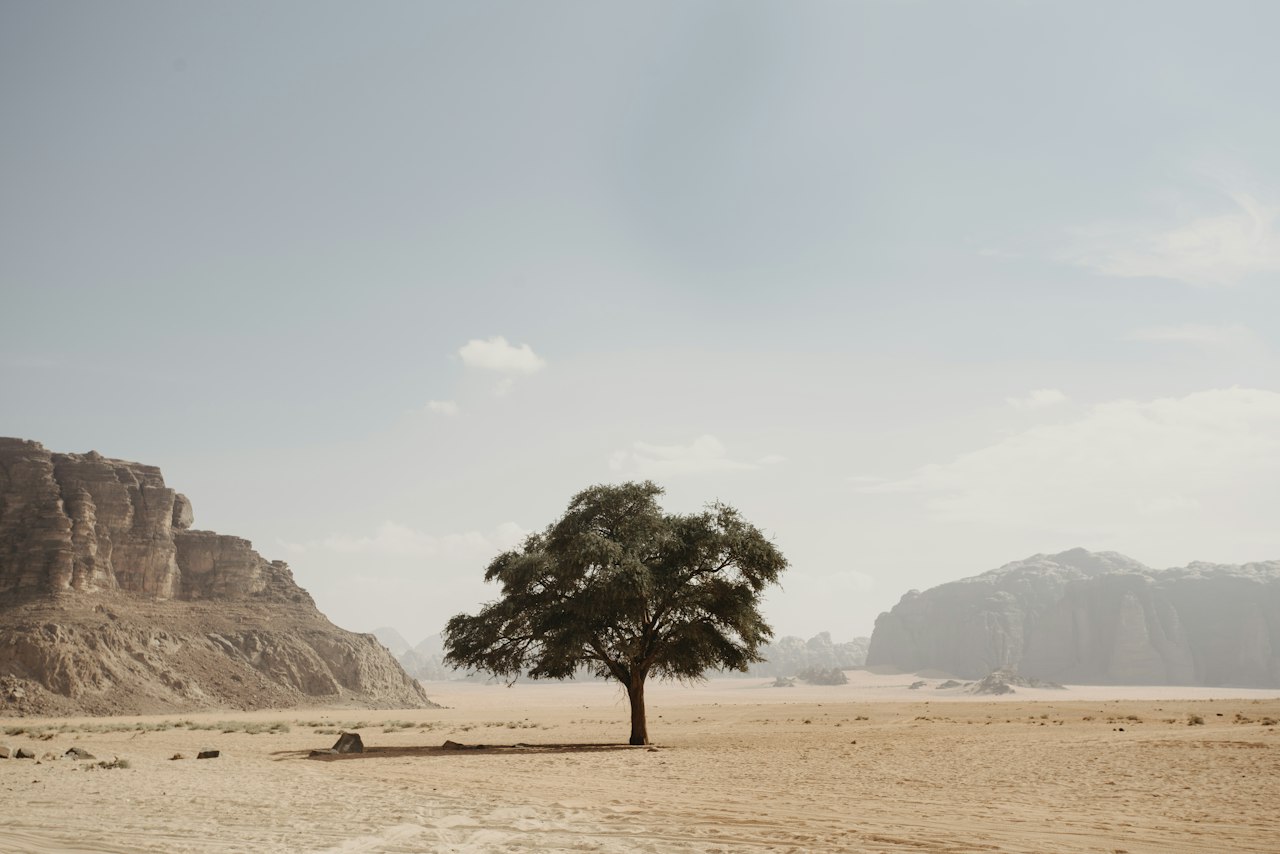
Photo by Damian Denis on Unsplash
TL;DR
Three days in a Mars-colored desert where the silence is so complete you can hear your own heartbeat, and the Milky Way shows up uninvited every night.
- A 4x4 kicks up red dust past the towers Lawrence of Arabia knew
- Sweet Bedouin tea poured over a fire that never quite goes out
- A sunrise scramble to Burdah Rock Bridge arching over empty sky
- Lamb and rice pulled from a zarb oven buried in the sand
- A camel ride home as the canyon walls turn rose then violet
Have this trip planned in 60 seconds
We built the Wadi Rum, Jordan itinerary that pairs with this guide, day-by-day with verified venues and one-tap booking links. Free to adopt, edit however you want.
The Road South Where the Green Runs Out
Somewhere past Aqaba the landscape gives up on trees, and the earth turns the color of dried blood under a sky that won't quit being blue.
The drive from Amman takes about four hours, and the best part is watching the country shed its layers. Olive groves near the capital, then scrubland, then nothing but rust-red flats punctuated by cliffs that look dropped from orbit.
A private transfer is the sane way to do this. You'll want your eyes on the window, not on a map or a shared-van schedule. The last stretch along the Desert Highway is long and empty, so load your phone with music and let the scale of the place start working on you.
You'll arrive at the Wadi Rum Visitor Center, pay the Wadi Rum Protected Area entry (5 JOD, about 7 USD), and meet whoever is driving you into the sand. From here the pavement ends.
The 4x4 and the First Plume of Red Dust
You climb into the open back of a weathered Toyota, the engine coughs, and then the whole desert is streaming past in a cloud of cinnamon-colored sand.
The 4x4 safari is how you cover ground that no foot could manage in an afternoon. Your Bedouin driver knows every soft patch and every rock worth stopping for, and he'll floor it across the open flats just to hear you laugh.
You'll stop at Lawrence's Spring, scramble up a dune that fights you for every step, and press your palm against ten-thousand-year-old petroglyphs of ibex and camel caravans at Khazali Canyon. The rock is warm. The quiet, when the engine cuts, is total.
Late afternoon, the driver parks you below a cliff for sunset. The sandstone goes from orange to furnace-red to a deep wine color, and then the first stars arrive like someone flipping switches.
Dinner From a Hole in the Ground
They lift a metal rack out of the sand and the smell hits you first: lamb and onion and smoke that's been cooking underground for hours.
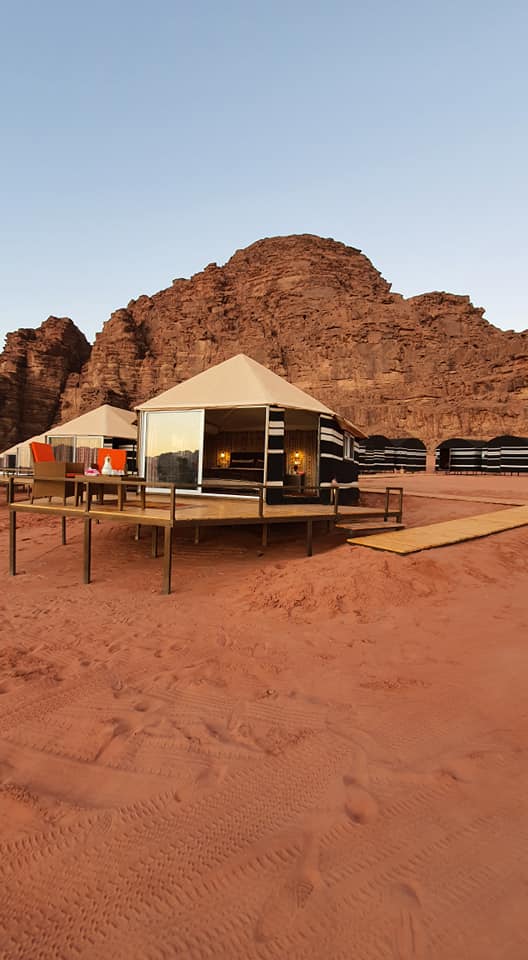
Dinner at a Bedouin camp is built around the zarb, a sand oven where meat and vegetables slow-roast buried beneath the desert floor. When they pull it up at dusk, the whole camp gathers to watch, and the first bite tastes like nothing you've had at home.
Around the fire afterward, someone will almost certainly produce a rababa (a one-stringed fiddle) and the sweet, cardamom-heavy tea keeps coming. Refuse it and they'll just refill your glass anyway. This is the heart of Bedouin hospitality and you lean into it.
Most camps sit in the protected area, a mix of goat-hair tents and the newer bubble domes with clear ceilings. Book your night here rather than daytripping; the desert's whole personality changes after dark.
The Night the Sky Shows Off
You step out of the tent to find the air, and the Milky Way is spilled across the whole black dome like someone upended a jar of salt.
Wadi Rum has almost no light pollution for a hundred kilometers in any direction, which means the stargazing here is the kind people fly across the world for. On a moonless night you can read the constellations without a chart.
Bring a warm layer, even in summer. The desert dumps its heat fast once the sun is gone, and spring and autumn nights can drop close to freezing. A thermos of that Bedouin tea helps.
Lie back on a flat rock away from the firelight, give your eyes fifteen minutes to adjust, and watch for the slow drift of satellites and the occasional meteor. Nobody talks much out here. You don't need to.
Sunrise Scramble to Burdah Rock Bridge
You're hiking before the sun clears the ridge, and then the trail tips upward until you're standing on a natural stone arch with the entire valley glowing gold beneath your boots.
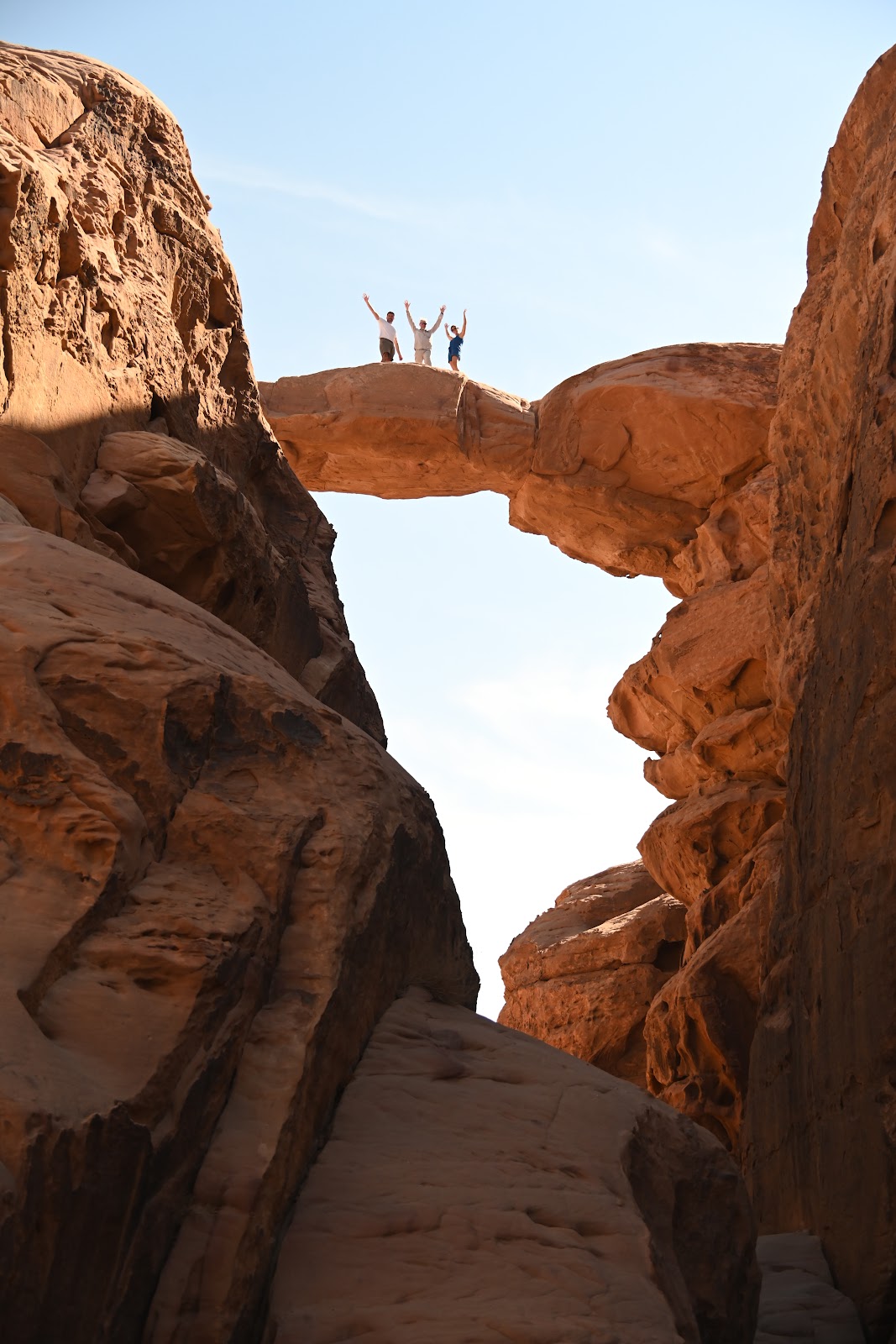
Jebel Burdah holds one of the highest rock bridges in the desert, and reaching it is a proper morning's work: a 4x4 to the base, then a scramble up slabs and chimneys that gets your hands involved near the top. Go with a Bedouin guide, both for the route-finding and because this isn't a casual stroll.
Time it for first light. The low sun turns the whole wadi amber and throws long shadows off every tower, and the arch itself frames the sky in a way that photographs can barely hold.
Allow two to three hours round trip from the base, wear real shoes with grip, and carry more water than you think you need. The descent is slower than the climb.
Breakfast, Then a Long Slow Camel Ride
Flatbread blistered on a fire, hummus, salty white cheese, and a glass of mint tea, eaten cross-legged while the camp wakes up around you.
A Bedouin breakfast is simple and generous: fresh khubz bread, olive oil and za'atar, labneh, eggs if you want them, and more tea. Eat slowly. You've earned the lazy morning after that sunrise climb.
Then comes the part of the trip that rearranges your sense of time. A camel ride across the open sand moves at exactly the pace the desert wants, a gentle sway that lets you actually look at where you are. The camels belong to the families who have crossed this valley for generations, and the handler walking beside you has stories.
Spend the free afternoon however the desert suggests. Nap in the shade of a tent, climb a nearby dune for the view, or just sit and watch the light shift across the rock. There is no wrong way to do nothing here.
The Drive Back North, and Why You'll Already Miss It
One last breakfast, one last glass of tea, and then the red cliffs shrink in the rear window until the green world swallows them again.
The return transfer to Amman gives you the whole drive to process what just happened. Three days is enough to feel the desert's rhythm but short enough that you'll be plotting a way back before you hit the highway.
If you've got time to spare, break the drive with a stop at the Dead Sea or route through Petra, which sits a couple of hours north. Many travelers pair Wadi Rum with Petra into a single southern loop, and the two make an unbeatable combination.
For the deeper day-by-day version of this trip, the Wadi Rum 3-day desert immersion itinerary lays out exactly how to sequence the safari, the hikes, and the camp nights so nothing gets rushed.
Ready to book?
Book the rest of Wadi Rum, Jordan
Handpicked partner searches, dates pre-filled. Pricing is identical to going direct — the partner shares a small commission with Tabi so this guide stays free.
Frequently asked
How many days do you need in Wadi Rum?
Two to three days is ideal. One day lets you do a 4x4 safari and one camp night, but three gives you time for a sunrise hike like Burdah Rock Bridge, a camel ride, and a slow final morning without feeling rushed. Most visitors who only do a half-day leave wishing they'd stayed the night, since the desert's silence and stargazing after dark are the real draw.
What is the best time of year to visit Wadi Rum?
Spring (March to May) and autumn (September to November) offer the most comfortable weather, with warm days and cool but bearable nights. Summer daytime temperatures can exceed 40C and make midday hiking dangerous. Winter days are pleasant but nights can drop below freezing, so a sleeping-bag-grade warm layer is essential if you camp.
Where do you sleep in Wadi Rum?
Inside the protected area in Bedouin camps, which range from traditional goat-hair tents to modern bubble domes with transparent ceilings for stargazing from bed. Camps include dinner (often the underground zarb feast) and breakfast. Book ahead in high season, and confirm whether your camp handles the 4x4 pickup from the Visitor Center.
How do you get to Wadi Rum from Amman?
The drive is roughly four hours south via the Desert Highway. A private transfer is the most comfortable option and lets you enjoy the changing landscape. Buses run to Aqaba or Petra with onward connections, but they're slow and infrequent. Many travelers combine Wadi Rum with Petra, which sits about two hours north.
Is Wadi Rum safe to visit?
Yes. Wadi Rum is one of the safest areas in Jordan, and the Bedouin community that runs the tourism here is welcoming and well organized. The main cautions are environmental: carry enough water, protect yourself from the sun, bring warm layers for cold nights, and use a local guide for any serious scrambling like the Burdah ascent. Check your government's latest travel advisory before you go.
Skip the planning
Your Wadi Rum, Jordan trip, ready to go
Adopt the day-by-day itinerary we built to match this guide. Every stop is a real place, every booking link is validated. Free forever, no card needed.
Open the Wadi Rum, Jordan itinerary