
Warsaw, Poland
What to Do in Warsaw in 5 Days: Old Town, POLIN, and the River You'll Cross for Dinner
A picture-first walk through a city that rebuilt itself brick by brick, from the pastel Old Town to the neon basement in Praga.
TL;DR
Warsaw looks rebuilt because it is, and once you know that, every pastel facade and glowing sign starts telling you a story.
- Old Town squares repainted from 1945 rubble, photo by photo
- POLIN Museum's timber bridge arching over a thousand years
- Royal Łazienki peacocks strutting past a palace on water
- Praga's brick courtyards and a dinner across the river
- A basement full of salvaged communist-era neon in Soho Factory
Have this trip planned in 60 seconds
We built the Warsaw, Poland itinerary that pairs with this guide, day-by-day with verified venues and one-tap booking links. Free to adopt, edit however you want.
Landing, and the Fast Road Into the Rebuilt City
Chopin plays softly over the arrivals hall speakers, which tells you exactly whose city you've landed in.
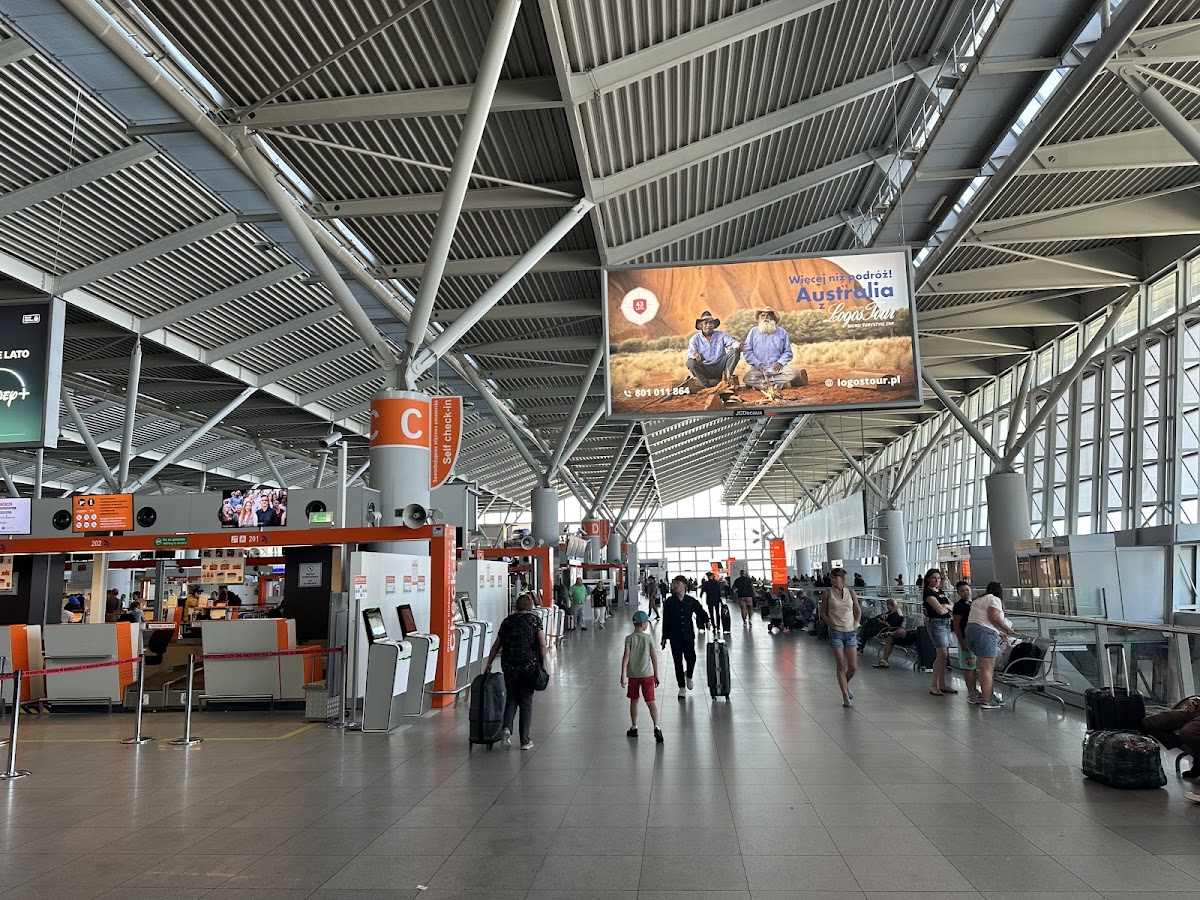
Warsaw Chopin Airport sits about 10 km south of the centre, close enough that you'll be dropping your bag at the hotel within 25 minutes if traffic behaves. The train (line S2/S3 or the SKM) runs to the central stations for around 5 zl (about USD 1.30), but after a flight, a door-to-door car that already knows your terminal is a gentle way to start.
Ask the driver to take you in along Aleje Jerozolimskie. It's the spine of the city, and your first glimpse of the Palace of Culture rising over everything is a good primer for the contrasts ahead.
Settle in, then walk. Warsaw rewards the person who treats it as a walking city punctuated by one or two tram rides.
The Old Town That Was Rebuilt From Paintings
Pastel townhouses line a cobbled square, pink beside ochre beside dove grey, and none of them is older than your grandparents.
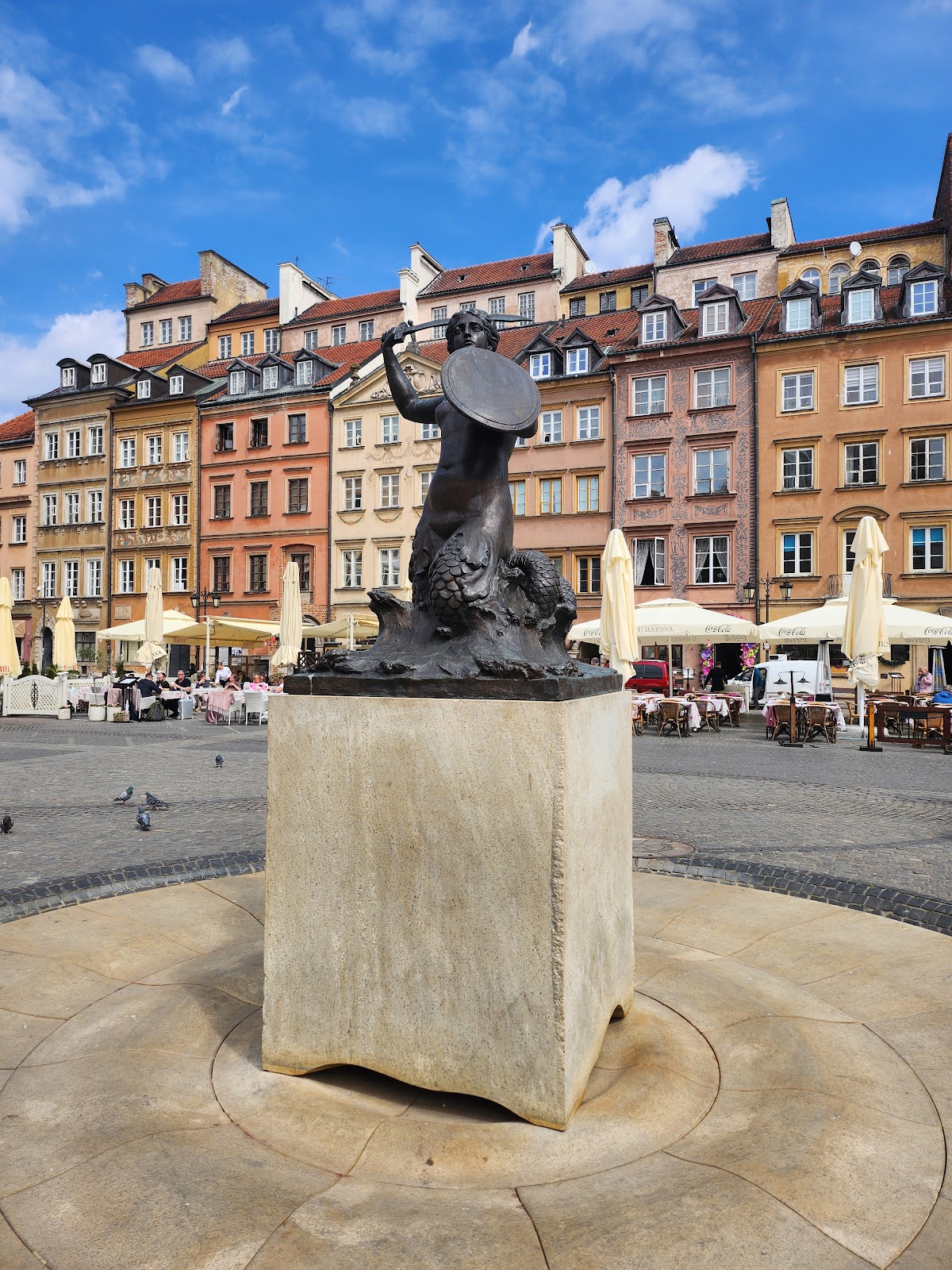
Here's the thing that reframes everything: the Old Town you're standing in was flattened to rubble in 1944, then rebuilt stone by stone using 18th-century Canaletto paintings as the blueprint. UNESCO lists it precisely because of that act of defiant reconstruction (see whc.unesco.org/en/list/30). Look closely at the facades and you'll notice the deliberate, almost hand-painted quality.
Start in the Market Square (Rynek Starego Miasta), where the Mermaid statue holds her sword over the centre. Drift down toward the Barbican, the round brick gate, then loop back along the cobbled lanes where cafe tables spill out in the warmer months.
Go early, before the tour groups, or go at dusk when the lamps flick on and the whole square turns golden. Give it a slow two hours. This is the postcard, but it earns it.
The Timber Bridge Over a Thousand Years at POLIN
Inside, the walls curve like the parted walls of a canyon, and a wooden bridge arcs over your head toward the sky.
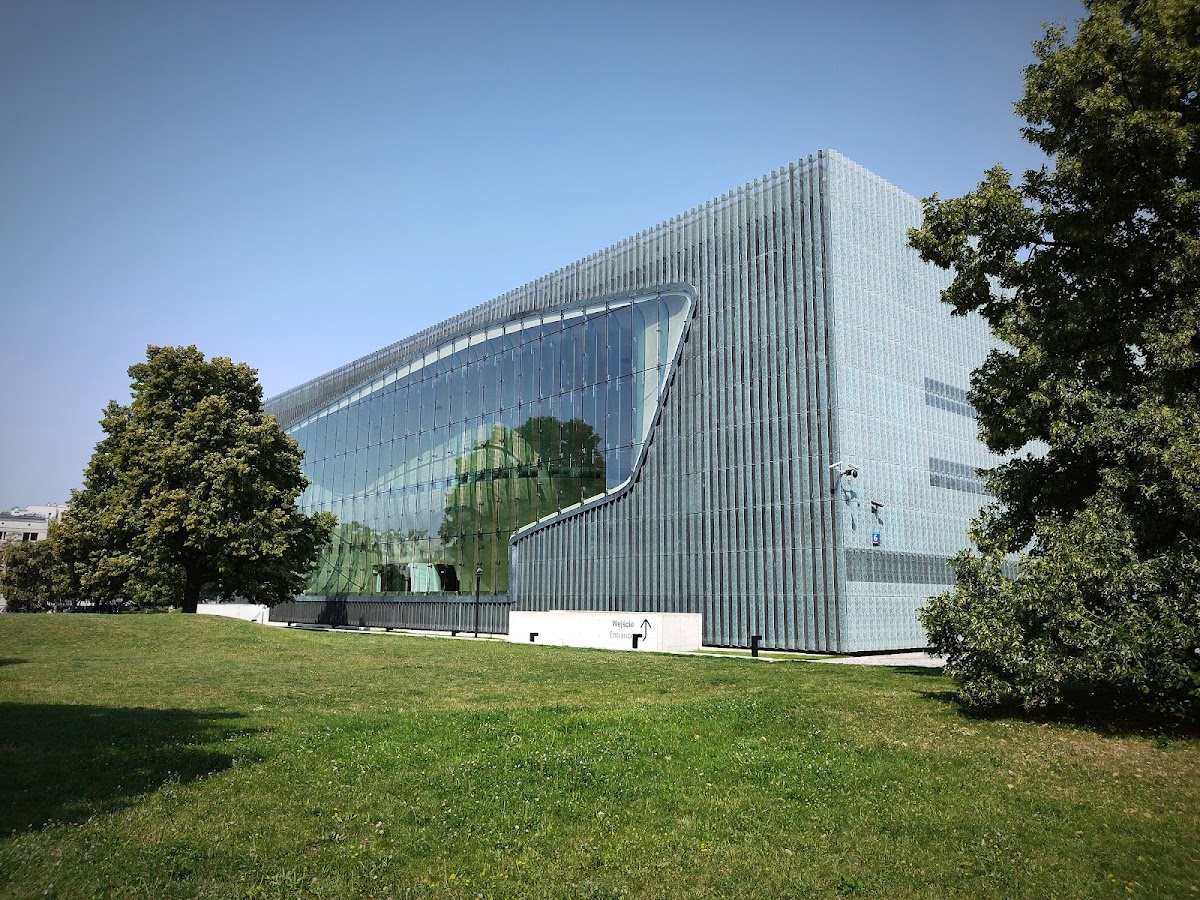
POLIN, the Museum of the History of Polish Jews, sits on the ground of the former ghetto, facing the monument to the ghetto uprising. The building's great interior canyon is worth the visit on its own, but the eight galleries inside trace a full thousand years, not just the catastrophe. The reconstructed painted ceiling of a 17th-century wooden synagogue is the one people stand under in silence (polin.pl has timed tickets, around 45 zl / USD 11).
Give yourself three hours. Audio guide on. It's a lot to carry out, so plan something quiet afterward.
Then walk ten minutes to the Warsaw Uprising Museum, a dim, loud, deliberately overwhelming place built inside an old tram power station. A beating-heart soundtrack pulses through the walls. Together these two tell you why the city you saw this morning had to be rebuilt at all.
Lunch in a Milk Bar, Where the Pierogi Cost Almost Nothing
Fluorescent lights, a laminated menu on the wall, and a plate of dumplings handed over for the price of a coffee back home.
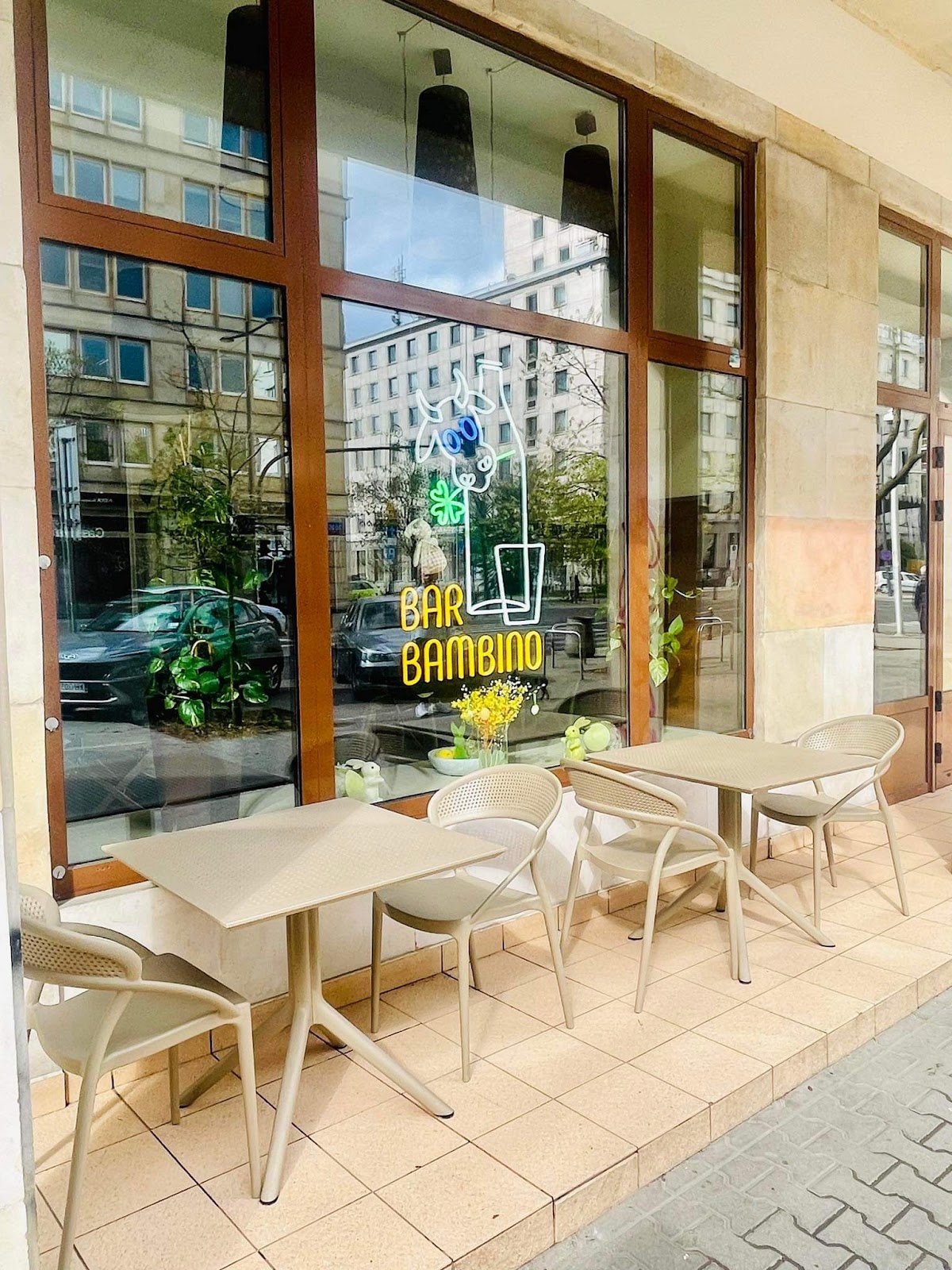
A bar mleczny (milk bar) is a holdover from the communist era, a state-subsidised canteen that somehow survived into the present. You queue, you point, you pay a cashier, you carry your own tray. Expect pierogi, zurek (sour rye soup served in bread), kotlet schabowy (breaded pork), and nalesniki (crepes). A full meal often lands under 25 zl (about USD 6).
The atmosphere is pure function. No decor, a bit of a scrum at noon, regulars reading the paper. That's the point.
Bar Mleczny Bambino near the centre and Prasowy on Marszalkowska are the easy classics. Cash is king at the oldest ones, so carry a few coins.
Peacocks, a Palace on Water, and the Castle's Red Walls
A peacock screams from a hedge, and across the pond a white neoclassical palace seems to float on its own reflection.
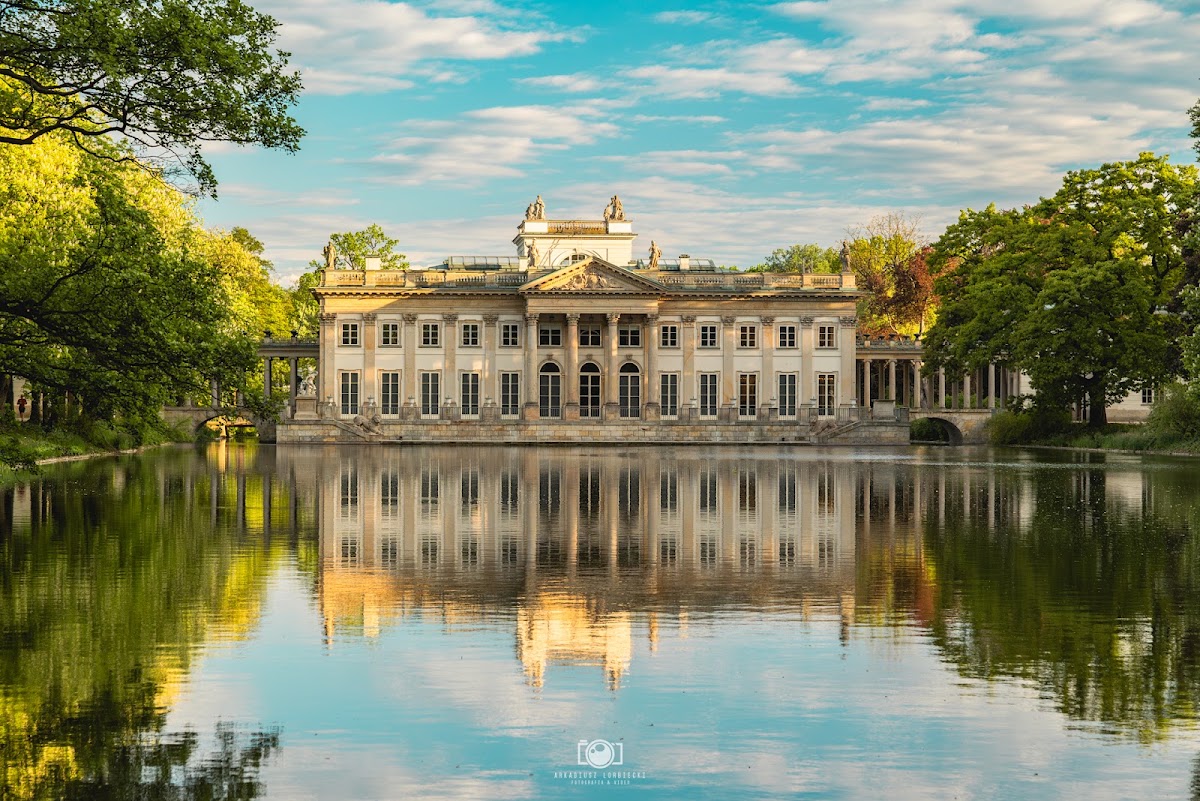
Royal Łazienki Park is Warsaw's green lung, 76 hectares of oak avenues, red squirrels, and strutting peacocks. The showpiece is the Palace on the Isle (Palac na Wyspie), the former summer residence that sits mid-pond and mirrors itself in still water. On summer Sundays, free Chopin piano concerts play beside his monument under a wind-swept bronze tree.
Afterward, head back toward the river for the Royal Castle on Plac Zamkowy. Its warm brick-and-plaster facade closes off the Old Town's southern end, and inside you'll find the restored royal apartments and two genuine Rembrandts.
Leave your late afternoon loose. Wander the Royal Route (Krakowskie Przedmiescie) connecting the two, lined with churches, the university gate, and the bench speakers that play Chopin when you press the button.
Crossing the River to Praga for Dinner
Brick tenements with bullet-pocked walls, ivy over courtyard shrines, and the smell of grilled meat drifting out of a former vodka factory.
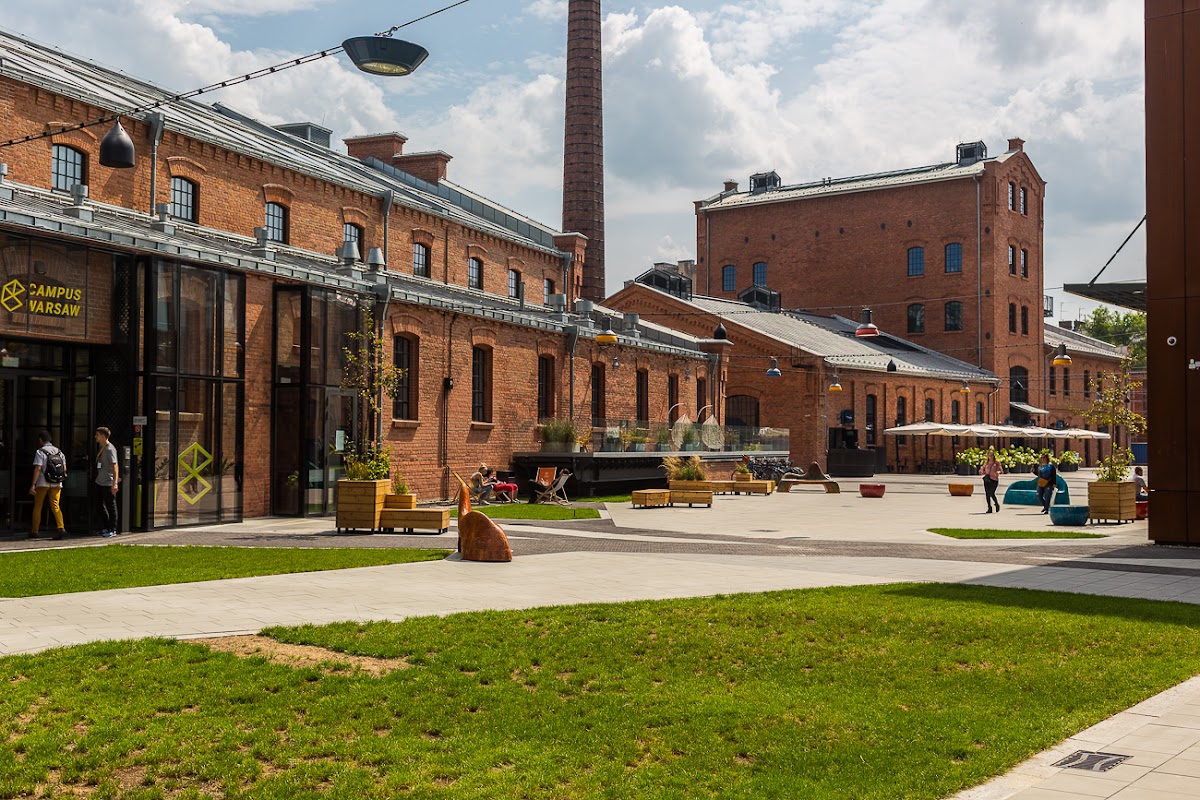
Cross the Vistula east to Praga, the district the war largely spared, which means its 19th-century brick buildings are the real thing, worn and lived-in. For decades it was rough and overlooked. Now its old factories hold galleries, craft bars, and some of the city's most interesting kitchens.
Koneser, the former Praga vodka distillery, is now a courtyard of restaurants and the Polish Vodka Museum if you want the full tasting. The streets around it reward slow wandering: look up for the painted Madonna shrines tucked into courtyard walls, a Praga tradition.
Come over for dinner and stay for a drink. The tram or a short ride back over the river takes minutes.
The Basement of Salvaged Neon in Soho Factory
A cellar glows cherry-red and electric-blue, every sign a rescued ghost from a vanished shopfront or cinema.
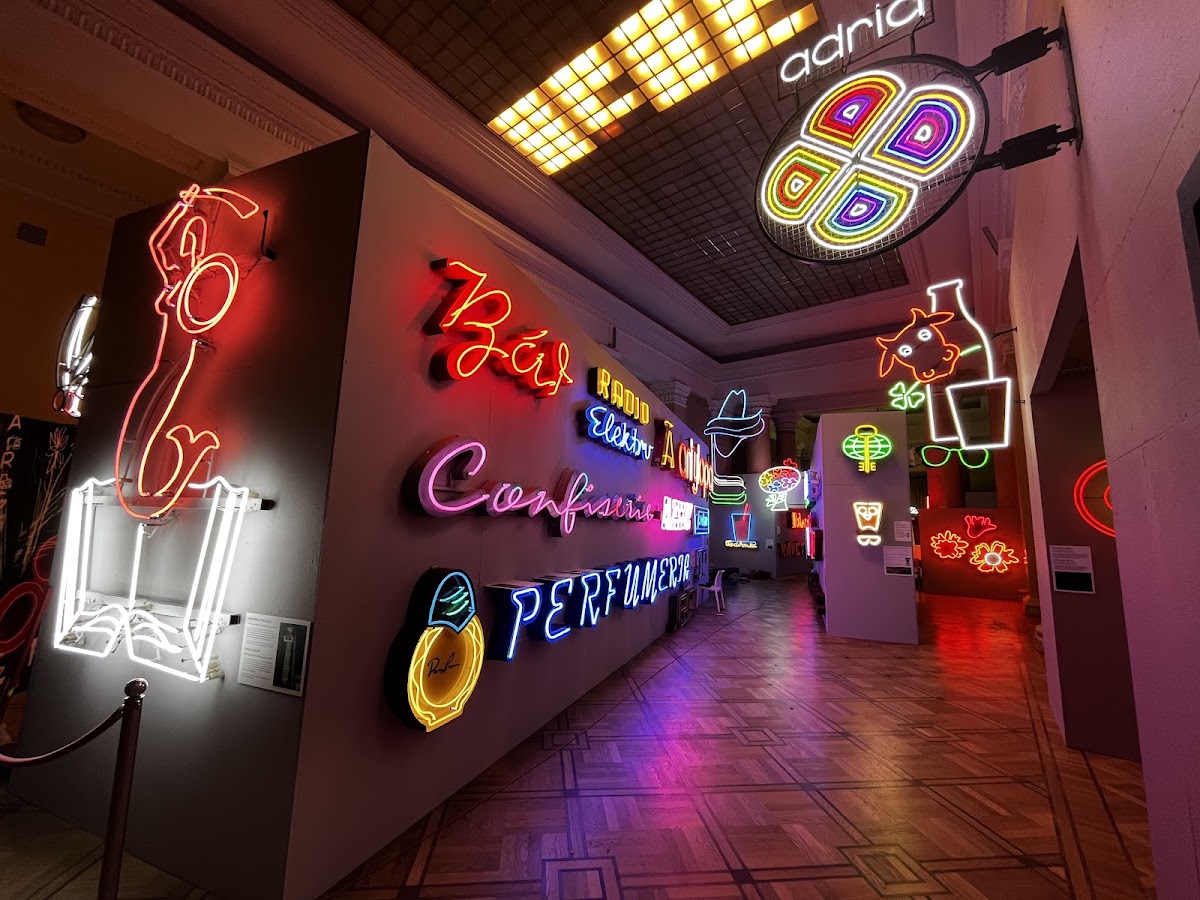
Tucked inside the Soho Factory complex in Praga, the Neon Museum collects the cold-war neons that once lit Warsaw's streets, a quiet national programme of elaborate signage meant to soften the grey. Rescued from demolition, they hang together now in one humming, color-soaked room. A bakery's loaf, a cinema's starburst, a volleyball player mid-serve.
It's small, maybe 45 minutes, and the photos are irresistible. Entry is around 20 zl (about USD 5).
For lunch beforehand, Hala Gwardii back on the central side is a 19th-century market hall turned food hall, stalls of oysters, ramen, Polish classics, and natural wine under an iron-and-glass roof. Easy, lively, and you choose your own adventure.
One Last Look From the Palace of Culture, Then the Airport
A Stalinist tower straight out of a 1950s skyline, loved and loathed in equal measure, with the whole flat city spread out from its terrace.
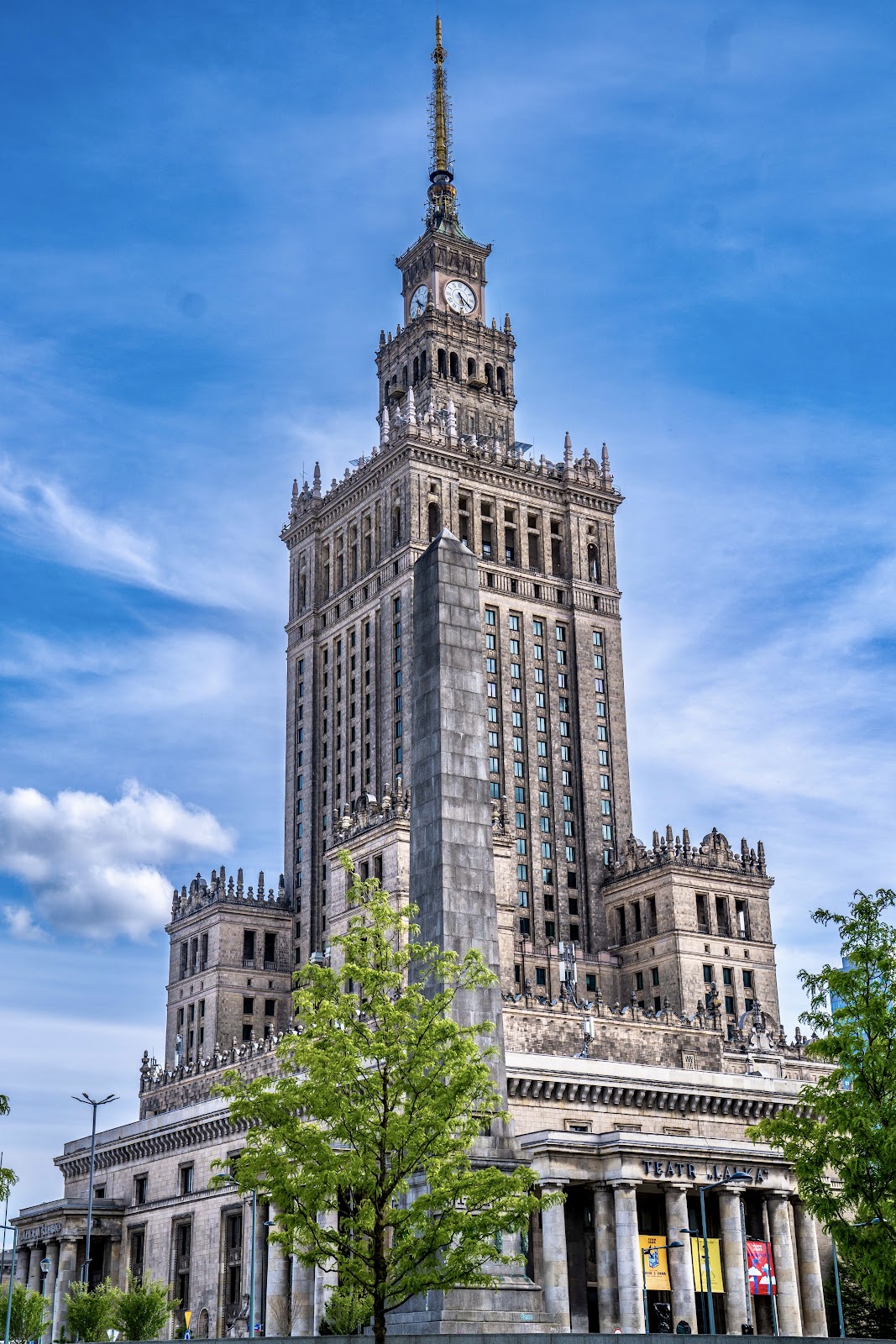
The Palace of Culture and Science is the building Warsaw can't decide how to feel about. A 1955 gift from Stalin, 237 metres tall, it still dominates the skyline. Ride to the 30th-floor terrace for the best panorama in the city, the one view where you can read Warsaw's whole layout at once, the river, the Old Town's spires, the glass towers crowding in around the base.
Locals joke it's the best view in Warsaw precisely because it's the one spot you can't see the Palace itself. Entry runs about 25 zl (USD 6).
Then it's back to Chopin Airport, 25 minutes by car or a quick hop on the S2/S3 train from the central station right below the Palace. A tidy, symmetrical way to leave.
Ready to book?
Book the rest of Warsaw, Poland
Handpicked partner searches, dates pre-filled. Pricing is identical to going direct — the partner shares a small commission with Tabi so this guide stays free.
Frequently asked
How many days do you really need in Warsaw?
Four to five is the sweet spot. Two days covers the Old Town, Royal Route, and the two big museums (POLIN and the Uprising Museum). The extra days let you slow down for Łazienki Park, cross to Praga, and breathe between the heavier history stops. Three days works if you're efficient, but Warsaw's rewards tend to come from wandering rather than ticking boxes.
Is Warsaw's Old Town actually old?
No, and that's the remarkable part. Roughly 85 percent of the city was destroyed in the war, and the Old Town was rebuilt from the 1940s onward, partly using 18th-century Canaletto paintings as reference. UNESCO added it to the World Heritage list in 1980 specifically to recognise that reconstruction. So it's a faithful recreation rather than a survivor, which is exactly what makes it moving once you know.
What should I eat in Warsaw, and where?
Start with pierogi, zurek (sour rye soup in a bread bowl), and kotlet schabowy at a bar mleczny (milk bar) for a few dollars. For something modern, the bistros around the centre and the food stalls at Hala Gwardii cover everything from oysters to natural wine. Praga across the river holds some of the most interesting newer kitchens, often inside converted factories like Koneser.
How do I get from Chopin Airport to the city centre?
It's only about 10 km. The SKM commuter train (line S2 or S3) runs to the central stations for roughly 5 zl and takes around 20 minutes. Buses 175 and 188 also serve the centre. A taxi or pre-booked transfer runs about 25 minutes depending on traffic and is the easy choice after a flight, dropping you right at your hotel door.
Is Warsaw walkable, or do I need public transport?
Central Warsaw is very walkable, with the Old Town, Royal Route, and Palace of Culture all within a comfortable stroll. For Łazienki Park, the Praga district across the river, and the Neon Museum in Soho Factory, hop on a tram or a short ride. The tram and metro network is cheap, clean, and easy, and a 24-hour ticket covers unlimited rides.
Skip the planning
Your Warsaw, Poland trip, ready to go
Adopt the day-by-day itinerary we built to match this guide. Every stop is a real place, every booking link is validated. Free forever, no card needed.
Open the Warsaw, Poland itinerary