
Yogyakarta, Indonesia
What to Do in Yogyakarta: Temples, Palaces, and a Sunrise You'll Replay
A 4-day walking log through Java's old royal city, from Borobudur at dawn to the Sultan's water castle.
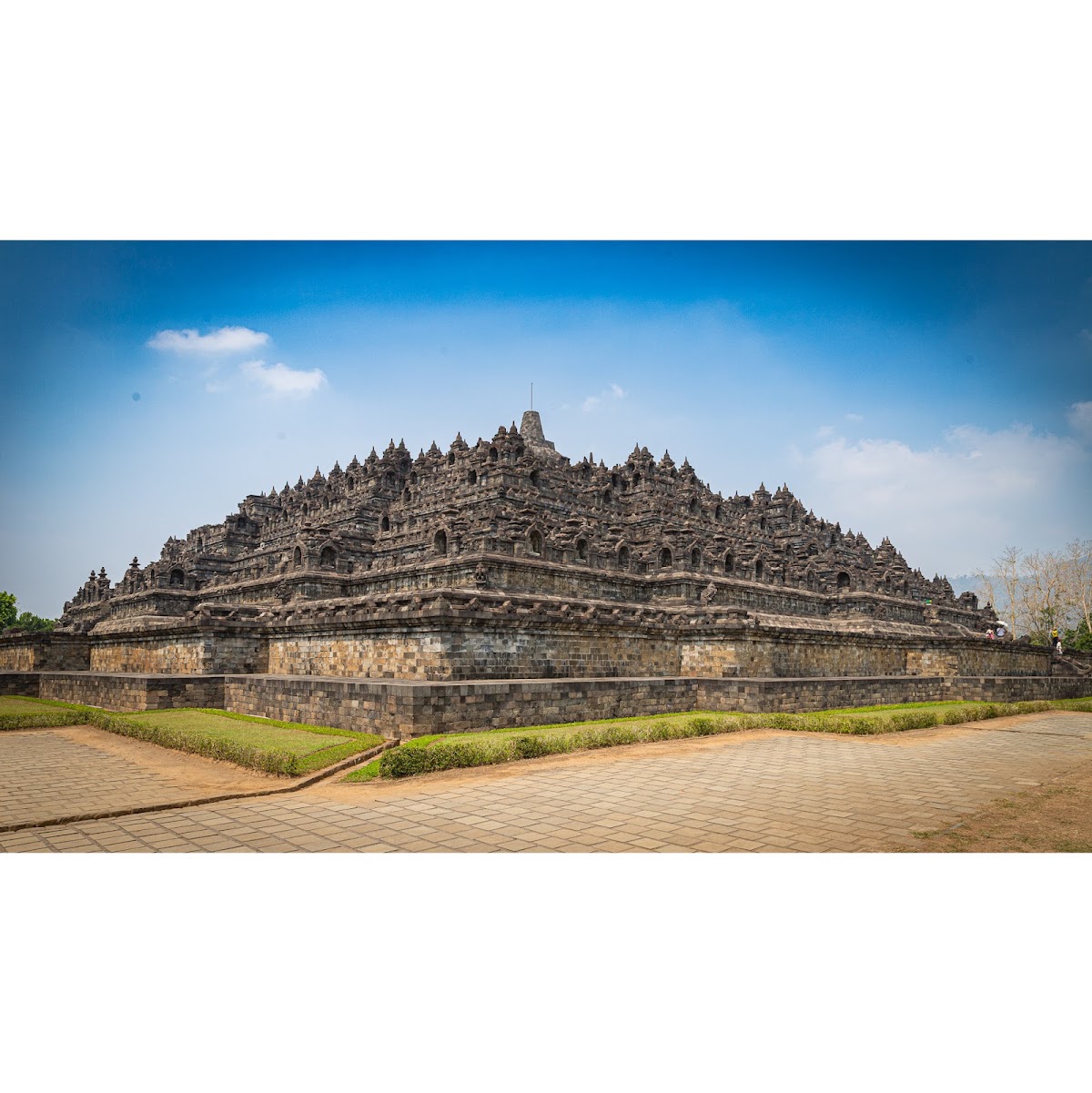
TL;DR
Picture a city where you climb a 9th-century Buddhist mountain before breakfast, then spend the afternoon lost in a palace still run by a living Sultan.
- Borobudur at sunrise, mist peeling off 72 stone stupas
- Prambanan's spires glowing orange at the Ramayana ballet
- The Kraton, where royal guards still shuffle in batik each morning
- Taman Sari's underground tunnels and the old royal bathing pools
- Malioboro Street at night, gudeg steaming at a sidewalk warung
Have this trip planned in 60 seconds
We built the Yogyakarta, Indonesia itinerary that pairs with this guide, day-by-day with verified venues and one-tap booking links. Free to adopt, edit however you want.
Landing, Then That First Breath of Frangipani
You step off the plane at Yogyakarta International and the air hits warm and sweet, clove cigarettes and frangipani and something frying somewhere.
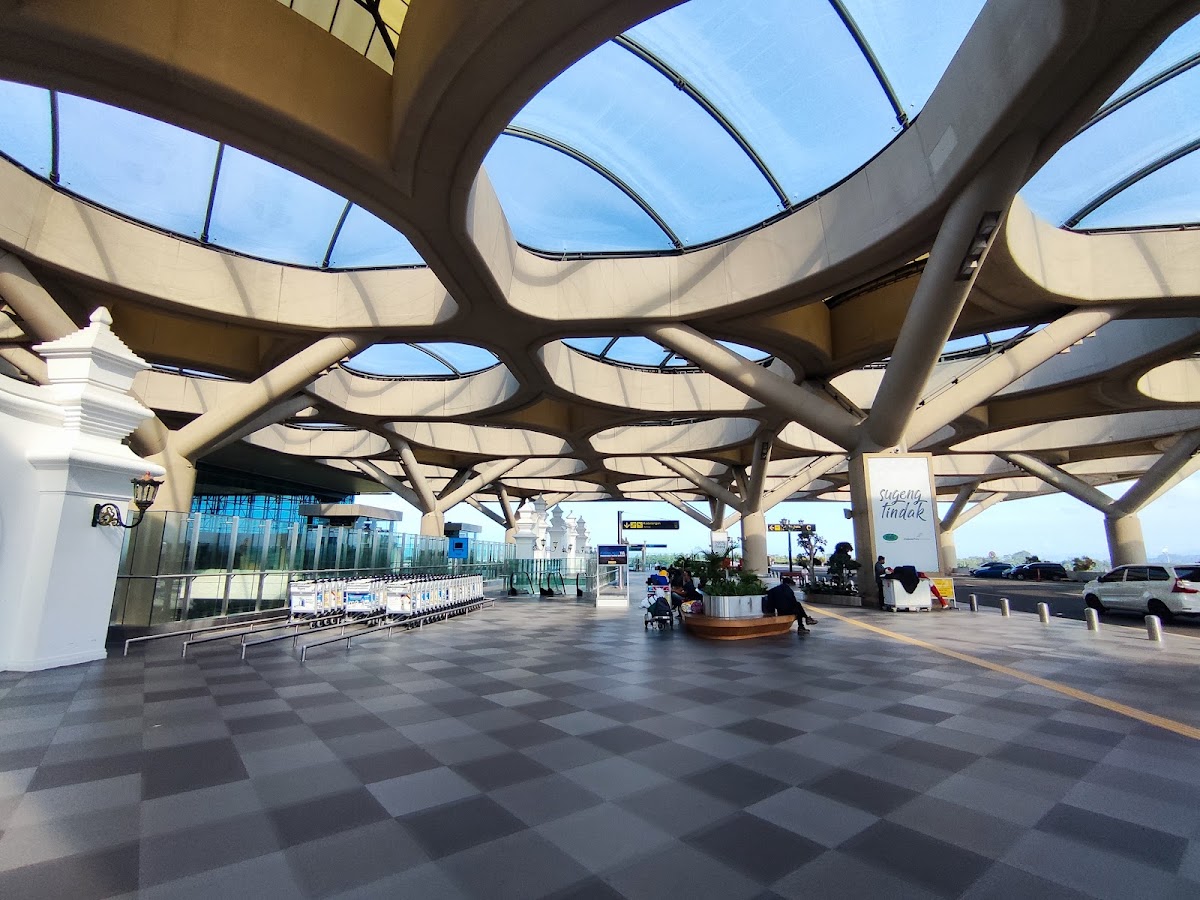
The airport (YIA) sits a good 45 kilometers west of town, out near the coast at Kulon Progo, so don't expect to roll your bag to the hotel. The drive into the city takes roughly 75 to 90 minutes depending on traffic, and it's your first long look at Java: rice paddies, roadside satay stalls, motorbikes carrying entire families.
Book a car ahead and skip the taxi-rank haggle. Rates run around IDR 250,000 to 350,000 (roughly 16 to 22 USD) for a private transfer, and after a long flight it's worth every rupiah to have a name on a sign.
Aim for a hotel near Malioboro. It's the spine of the old city, walkable to almost everything on this trip, and when you want a plate of noodles at 10pm it's all right there.
The Palace Where the Sultan Still Lives
Barefoot guards in deep-blue batik shuffle across polished floors, and somewhere behind the inner walls a gamelan is tuning up, all shimmering metal notes.
The Kraton Ngayogyakarta Hadiningrat is not a museum pretending to be a palace. It is an actual working royal court, home to the Sultan of Yogyakarta, who still holds real ceremonial weight in the city. You only see the public courtyards and pavilions, but that's the magic: this place breathes.
Go in the morning before the heat lands. Most days there's a live performance in one of the open pavilions, gamelan music or wayang shadow puppetry, included with your ticket (around IDR 15,000, barely a dollar). Hire one of the elderly palace guides at the entrance; they grew up in the royal service and the stories are the whole point.
Dress with a little respect here. Shoulders and knees covered, and keep your voice low in the inner courts.
Prambanan, Where Hindu Gods Scrape the Sky
Three towering spires rise out of the plain like stone rockets, their sides crawling with carved monkeys, demons, and dancers you could study for an hour.
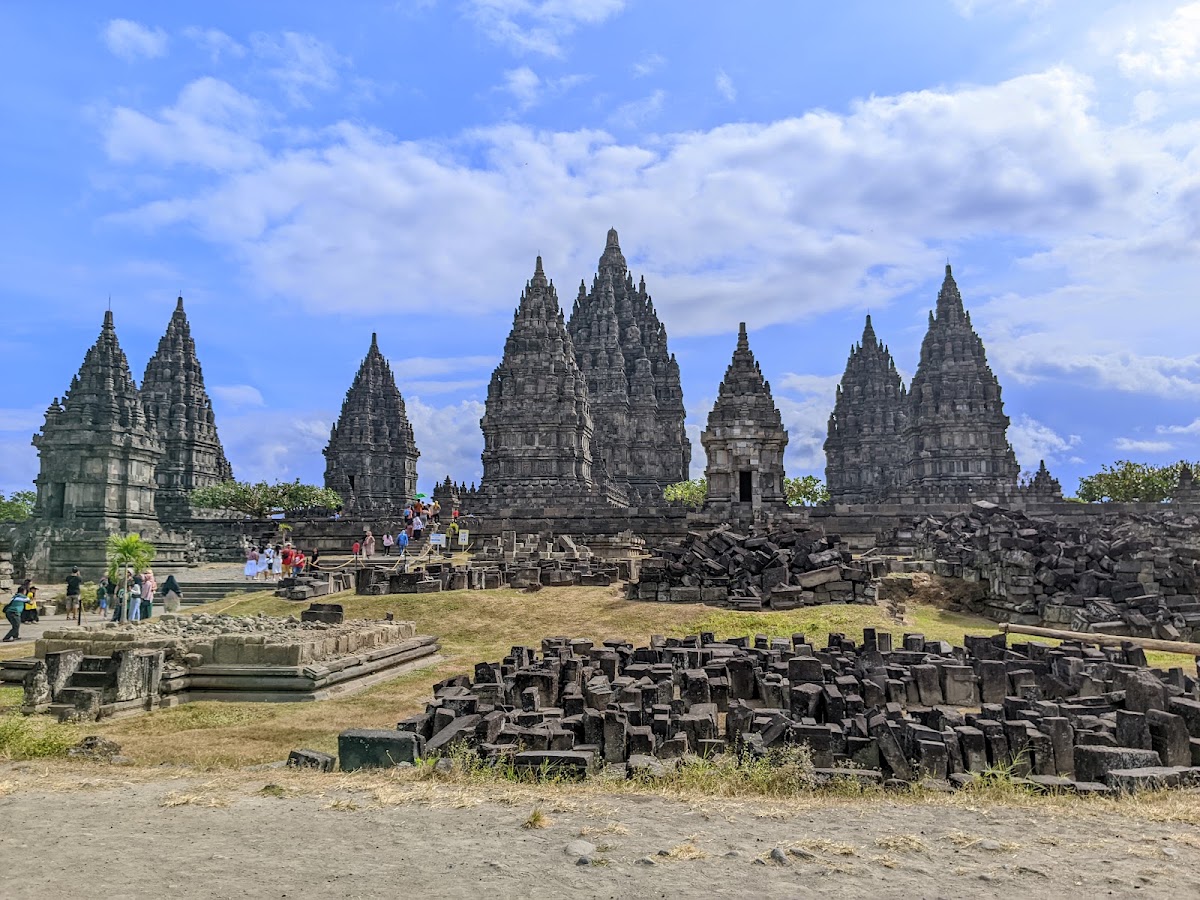
Prambanan is the largest Hindu temple complex in Indonesia, built in the 9th century and dedicated to Shiva, Vishnu, and Brahma. The central shrine climbs 47 meters, and up close you realize every surface is carved with scenes from the Ramayana. Follow them around the base like a stone comic strip.
It sits about 17 kilometers east of the city, an easy half-hour taxi or Grab ride. Entry runs around IDR 375,000 (roughly 24 USD) for foreign visitors; a combined ticket with Borobudur saves you a little if you're doing both.
Come late afternoon when the light goes gold and the crowds thin. Then stay for what comes after dark.
The Ramayana Ballet, Lit by the Temple Itself
Dancers in gold headdresses leap across an open-air stage while the floodlit spires of Prambanan loom behind them, and a full gamelan orchestra thunders in the dark.
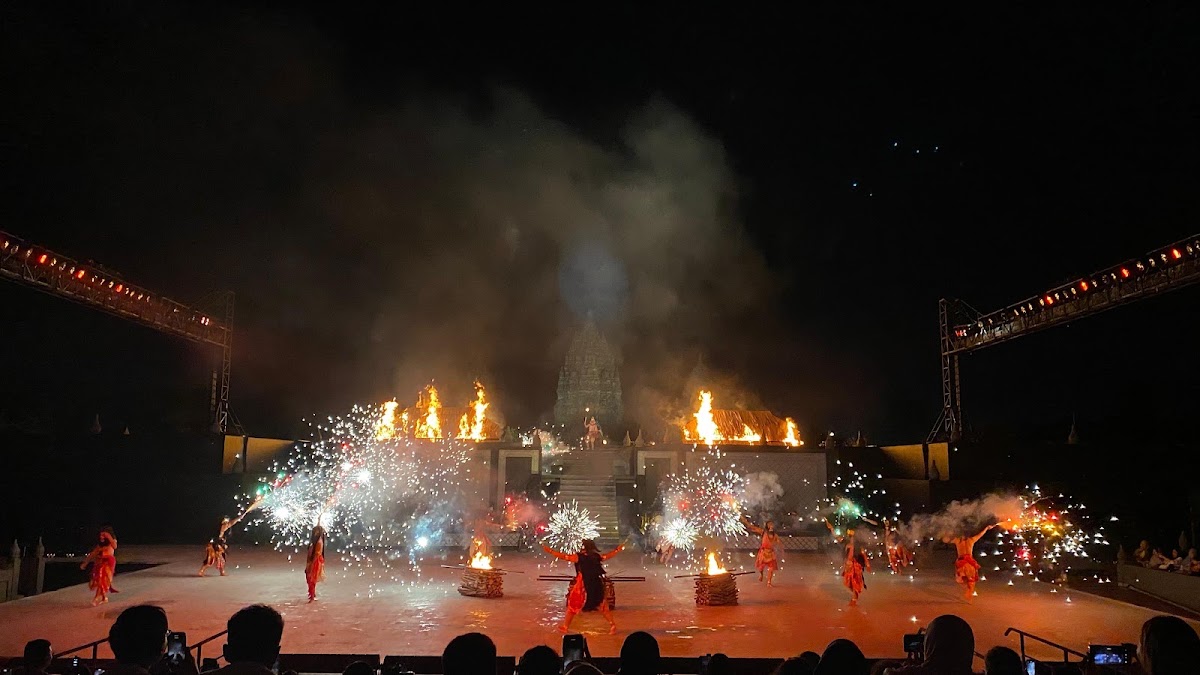
This is the best night you'll have in Yogyakarta. The Ramayana Ballet is an epic told entirely through Javanese dance: the kidnapping of Sita, the monkey army, Rama's battle with the demon king Ravana. No dialogue, just movement, masks, and music.
On the open-air stage the backdrop is Prambanan itself, lit up against the night sky. Performances run several evenings a week in the dry season (roughly May through October) and move to a covered theater when the rains come. Tickets start around IDR 150,000 for the back rows and climb for the front; the mid-tier seats are the sweet spot.
Book ahead, especially in peak months. The show sells out, and standing at the gate hoping for returns is a sad way to spend the evening.
Borobudur Before the Sun Is Up
You climb the dark stone terraces by flashlight, and as the sky turns from indigo to rose, 72 bell-shaped stupas emerge from the mist with volcanoes floating on the horizon.
This is why people get up at 3:30am in Yogyakarta. Borobudur is the world's largest Buddhist temple, a 9th-century mountain of stone built as one giant mandala. You spiral upward through terraces carved with over a thousand relief panels, climbing symbolically from the world of desire toward enlightenment at the summit.
The sunrise tour gets you there before the gates open to day visitors. Mist clings to the jungle below, Mount Merapi smokes in the distance, and for a few minutes it's just you and the stone Buddhas watching the day arrive. It's an hour's drive northwest of the city, so a guided sunrise package with transfer is the sane way to do it.
Access to the upper terraces is now limited and timed to protect the stone, so reserve your slot well in advance rather than hoping to wander up.
Mendut, the Quiet Temple on the Way Home
Inside a single dim chamber sits a three-meter Buddha, serene and massive, his feet planted flat on the floor instead of folded in the usual lotus.
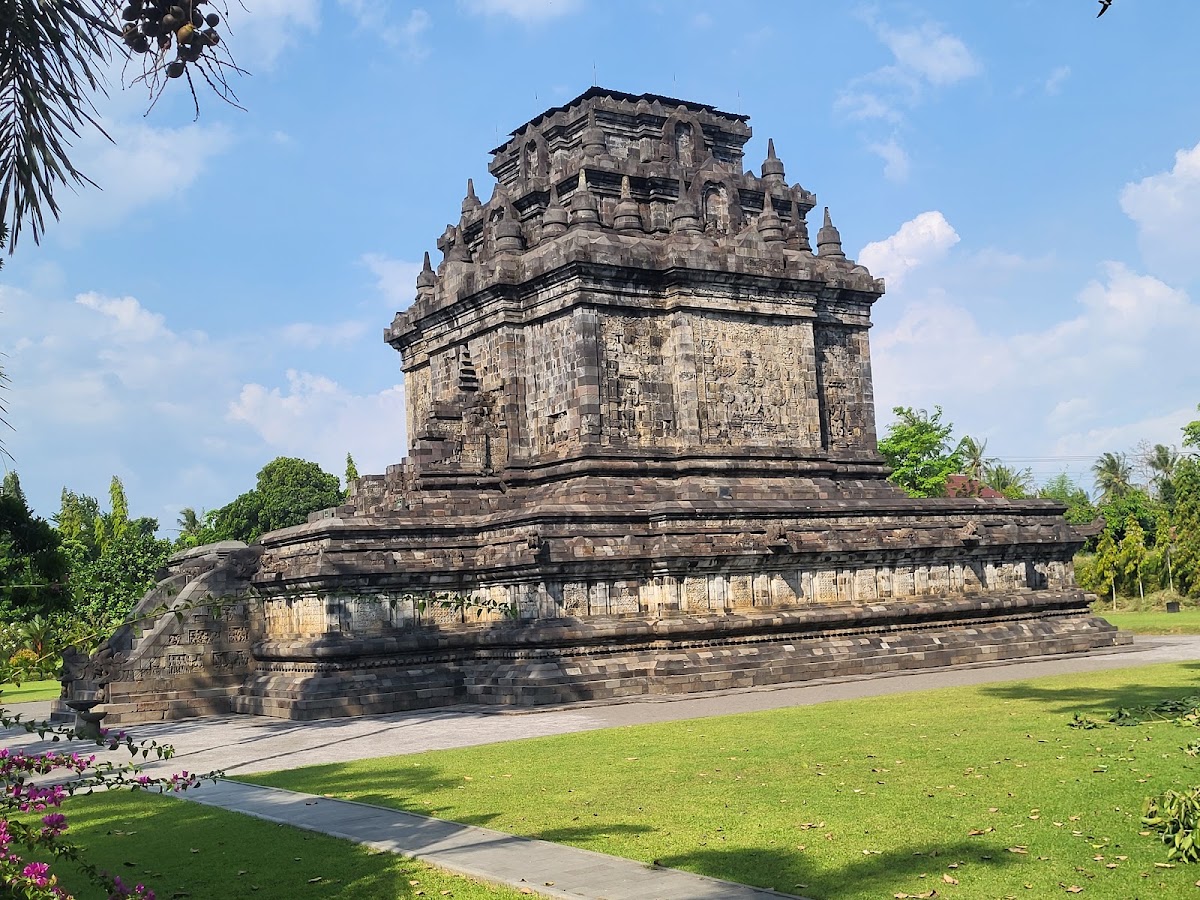
On the drive back from Borobudur, pull in at Mendut. It's small, it's often nearly empty, and it's a lovely exhale after the crowds at the big temple. The main draw is that seated Buddha, carved from a single block of stone, flanked by two bodhisattvas, his pose unusually relaxed and human.
Mendut, Pawon, and Borobudur all sit on a straight line, which scholars think was no accident; pilgrims once walked between them. There's a working Buddhist monastery next door and often a big banyan tree dropping shade over the courtyard.
Ten minutes here is enough to feel the weight of the place. Entry is a token IDR 10,000 or so, and your sunrise driver will happily stop if you ask.
Taman Sari, the Sultan's Secret Water Garden
Turquoise bathing pools sit walled in ochre stone, and through a low doorway you drop into cool underground tunnels that once hid the royal family.
Taman Sari was the pleasure garden and private retreat of the Sultan's court, built in the mid-1700s. Above ground you get the famous bathing complex, three pools where the royal women once swam, framed by thick walls the color of baked clay. Below ground runs a warren of tunnels and a startling circular underground mosque with a staircase that spirals like a nautilus.
It's a short walk or becak (pedicab) ride from the Kraton, so pair the two on the same day. Entry is cheap, around IDR 15,000, plus a small camera fee. The surrounding kampung has grown into the old royal grounds, so expect to wind through narrow lanes, batik workshops, and someone's laundry to find the hidden corners.
Grab a local guide at the gate. The passages aren't signposted and half the fun is being led to the spots you'd never find alone.
Malioboro After Dark, and a Plate of Gudeg
The street glows with the lamps of a hundred stalls, buskers sawing at violins, and the sweet-smoky smell of young jackfruit stewed all day in palm sugar.
End where the city pulses. Malioboro Street runs straight and loud, a parade of batik sellers, silversmiths, becak drivers, and food carts that fire up as the sun drops. Find a lesehan, one of the sidewalk warungs where you sit on a woven mat on the pavement, and order gudeg: Yogyakarta's signature dish of jackfruit simmered until it's sweet and tender, served with rice, egg, and chicken.
Before the evening, slot in a slow hour at Museum Sonobudoyo just off the north end of the street. It holds one of the best collections of Javanese art, keris daggers, and wayang puppets in the country, and often stages a short evening shadow-puppet show that's worth catching.
Then walk it all off down Malioboro one last time. Haggle gently, tip the buskers, and let the city send you off the way it welcomed you: warm, loud, and smelling faintly of clove smoke.
Ready to book?
Book the rest of Yogyakarta, Indonesia
Handpicked partner searches, dates pre-filled. Pricing is identical to going direct — the partner shares a small commission with Tabi so this guide stays free.
Frequently asked
How many days do you need in Yogyakarta?
Four days is the sweet spot. That gives you one day to settle in and see the Kraton, a full day for Prambanan, a dawn start for Borobudur, and a final day for Taman Sari, Museum Sonobudoyo, and Malioboro without rushing. You could compress it into three if you combine the temples, but the early starts stack up fast.
Is it worth doing the Borobudur sunrise tour, or can you just go at opening time?
The sunrise tour is worth it if the weather is clear in the dry season. You get the mist, the volcanoes on the horizon, and far fewer people before the day gates open. Access to the upper terraces is now timed and limited to protect the stone, so you'll need to reserve a slot in advance either way, sunrise or not.
How do you get between Borobudur and Prambanan?
They sit on opposite sides of the city, Borobudur about an hour northwest near Magelang and Prambanan around 30 minutes east. There's no direct route between them, so most people base in central Yogyakarta and visit each as a separate half or full day, either by private car, Grab, or a guided tour with transfer included.
When does the Ramayana Ballet at Prambanan run?
The open-air performances with the lit temple as a backdrop run several evenings a week during the dry season, roughly May through October. When the rains arrive the show moves indoors to a covered theater nearby. Book ahead in peak months because the best seats sell out.
What should I eat in Yogyakarta?
Gudeg is the local icon, young jackfruit slow-cooked in palm sugar and coconut milk, usually served with rice, egg, and chicken. Try it at a lesehan on Malioboro, where you sit on a mat on the sidewalk. Bakpia (small sweet bean-filled pastries) make the classic edible souvenir to take home.
Skip the planning
Your Yogyakarta, Indonesia trip, ready to go
Adopt the day-by-day itinerary we built to match this guide. Every stop is a real place, every booking link is validated. Free forever, no card needed.
Open the Yogyakarta, Indonesia itinerary