
Bangkok, Thailand
What to Do in Bangkok in 5 Days: Temples, Street Eats, and the Chao Phraya You'll Remember
From the glittering Grand Palace to the floating markets of Thonburi, Bangkok is a sensory overload in the best way.
TL;DR
From the glittering Grand Palace to the floating markets of Thonburi, Bangkok is a sensory overload in the best way.
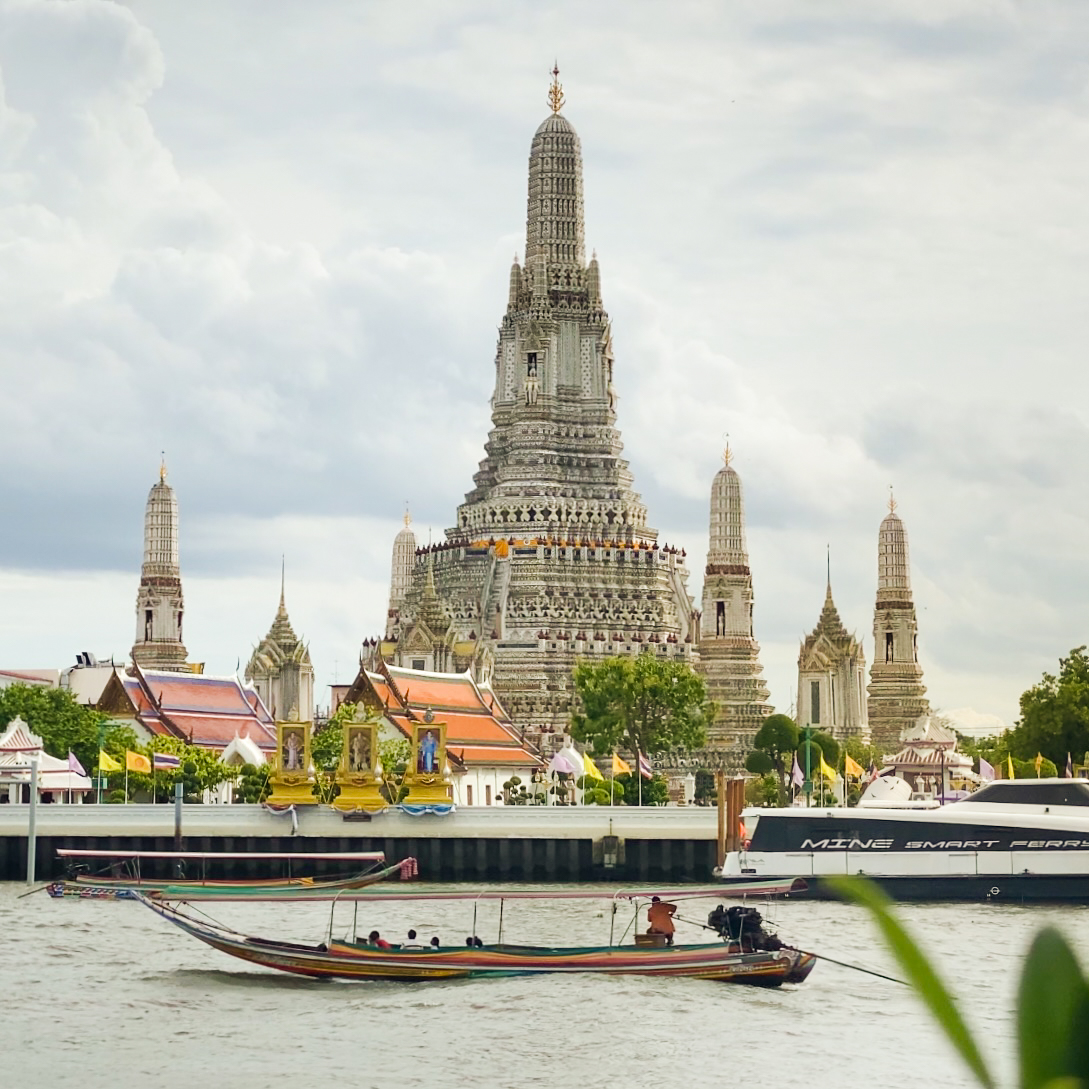
- Watch the sunset over the Chao Phraya from an express boat, temple spires catching the last light.
- Crack into a bowl of kuay jab at Nai Ek Roll Noodle on neon-lit Yaowarat Road.
- Glide through the green lung of Bang Krachao by bicycle, past stilted houses and banana groves.
- Stand in awe of the 46-meter Reclining Buddha at Wat Pho, its feet inlaid with mother-of-pearl.
- Hop off at Tha Tien pier for market lunch before crossing to Wat Arun's riverside towers.
Have this trip planned in 60 seconds
We built the Bangkok, Thailand itinerary that pairs with this guide, day-by-day with verified venues and one-tap booking links. Free to adopt, edit however you want.
Rattling into the City on the Airport Rail Link
The train slides out of Suvarnabhumi, past green fields and concrete towers, the air-con a relief after the humid terminal.
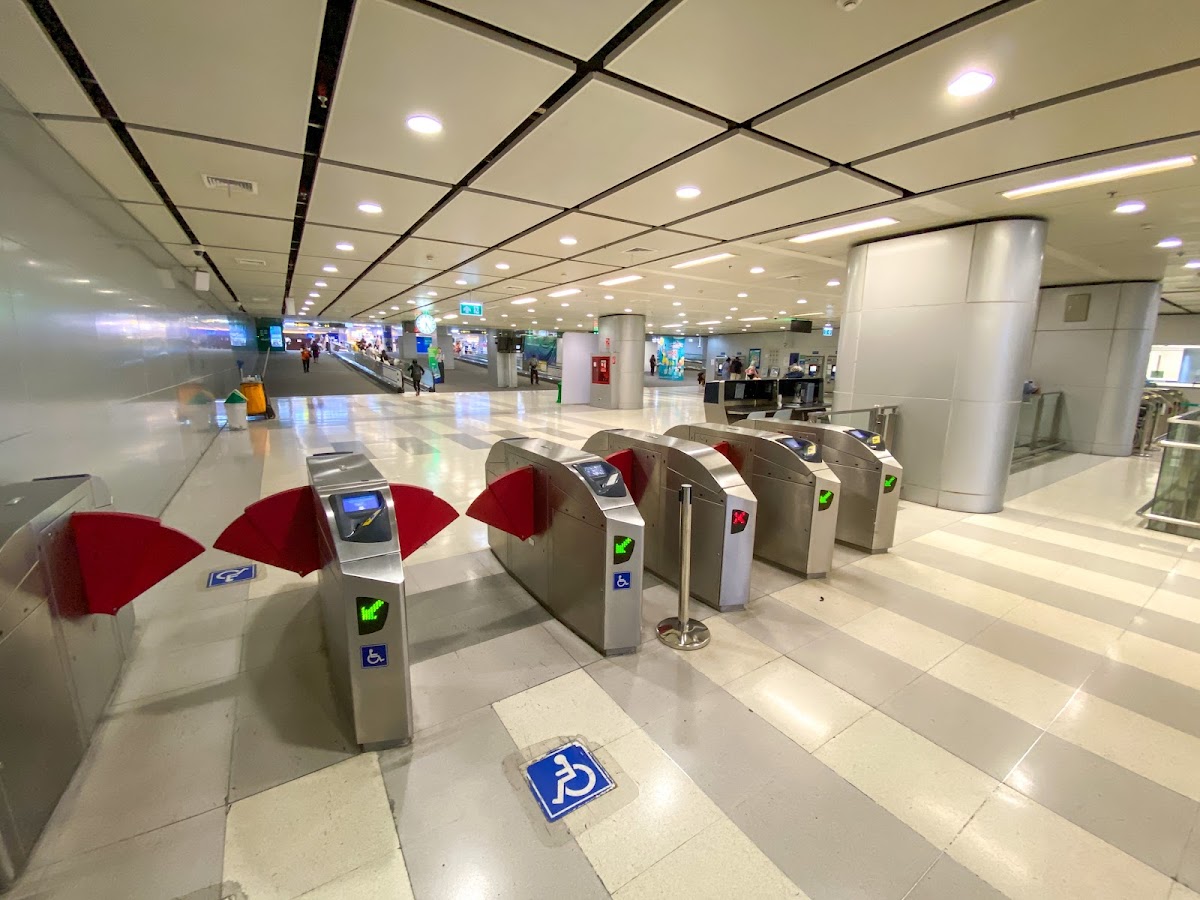
The Airport Rail Link is your welcome mat: 45 baht (1.30 USD) gets you from baggage claim to Phaya Thai station in about 30 minutes. The train runs above ground, offering glimpses of Bangkok’s mix of glitzy malls and tin-roof shophouses before you tunnel into the city center.
At Phaya Thai, the real Bangkok hits: the heat, the honking tuk-tuks, the hiss of woks from a nearby food stall. From here, hop onto the BTS Skytrain or grab a taxi to your base in Phra Nakhon. This is the cheapest, most scenic way to enter the city.
Finding Your Footing in Banglamphu
The streets of Banglamphu smell of incense, frying garlic, and the faint perfume of jasmine garlands.
This historic district on the Chao Phraya’s eastern bank puts you within walking distance of the city’s biggest sights: the Grand Palace, Wat Pho, and the backpacker buzz of Khao San Road. But the real charm is in the side lanes: guesthouses veiled in bougainvillea, sidewalk printers cranking out fake IDs, and old men sipping iced coffee on plastic stools.
Dump your bags and wander. Soi Rambuttri offers a quieter version of Khao San, with open-air bars and papaya salad stalls. Charoenkrung Road, just south, is dotted with heritage shophouses turned into design cafes. A base here means you’ll spend more time exploring and less time commuting.
A Bowl of Boat Noodles on Phra Athit Road
The broth is dark, almost black, with a slick of chili oil and the unmistakable funk of fermented soy beans.
Boat noodles (kuay teow ruea) are a Bangkok obsession: small servings, intense flavor, and a habit of ordering three or four bowls in a row. Head to Phra Athit Road, where a cluster of shophouses ladle out bowls for 60 baht (1.70 USD) each. The pork version comes with blood cube, crackling, and a heap of fresh Thai basil.
Thong Smith, a flashier chain, does a cleaner version with wagyu beef, but the real soul of boat noodles lives in these hole-in-the-wall spots. Grab a plastic stool, douse with vinegar and chili flakes, and eat fast before the noodles swell.
Golden Hour on the Chao Phraya
The express boat cuts through the river, sending spray onto the deck as the sun turns the temple spires to gold.
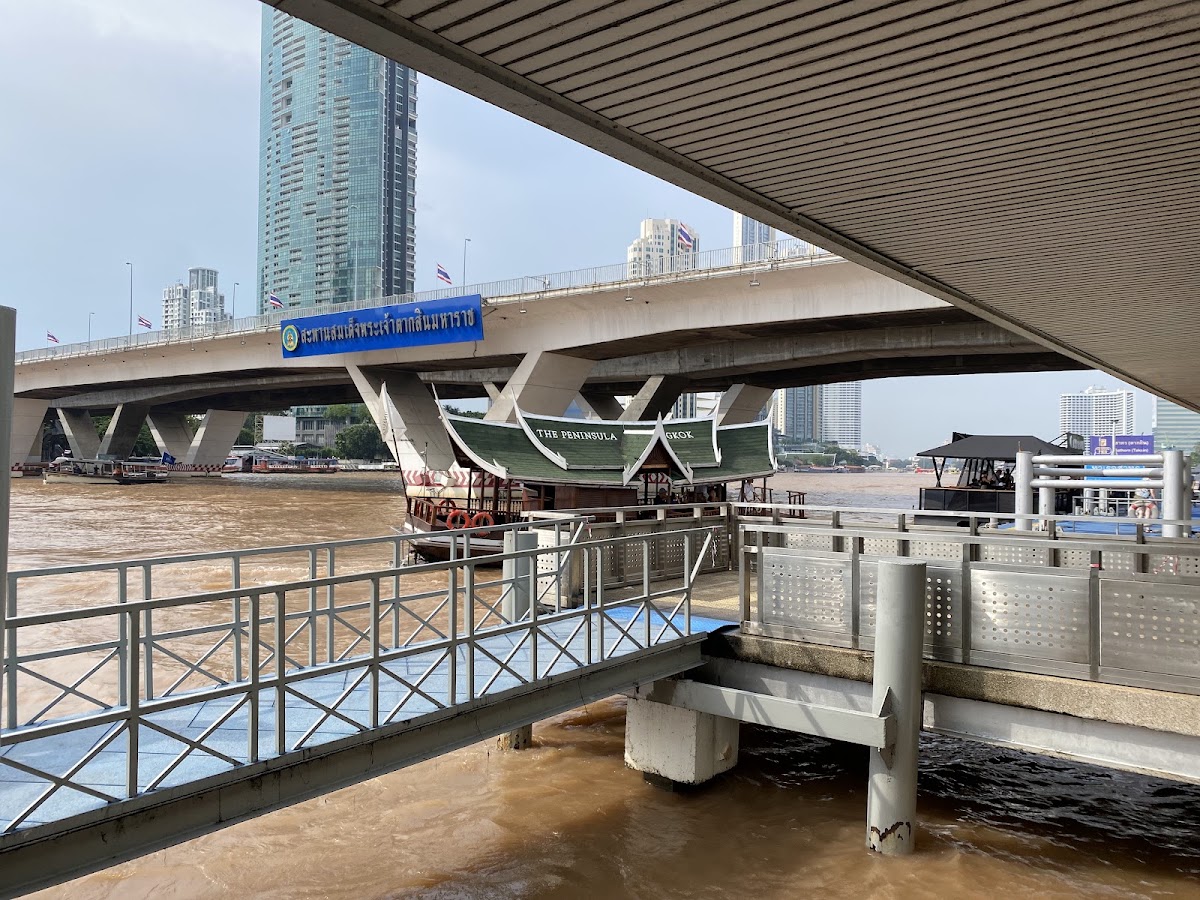
For the price of a bus ticket (15 baht, 0.40 USD), the Chao Phraya Express Boat gives you a front-row seat to Bangkok’s riverside spectacle. Hop on at Sathorn Pier and ride the orange flag line north toward Phra Nakhon. From the water, you see Wat Arun’s prangs rise like a mirage, the dome of the Royal Palace, and the contrast of glass condos against crumbling wooden stilt houses.
Go around 5:30 PM, when the heat softens and the river glitters. Sit on the left side for the best sunset views. The ride from Sathorn to Tha Tien pier is just 20 minutes, but it feels like a whole journey.
The 46-Meter Reclining Buddha of Wat Pho
The Buddha's feet are inlaid with mother-of-pearl, each toe a perfect spiral, and the sheer size of it forces your head back.
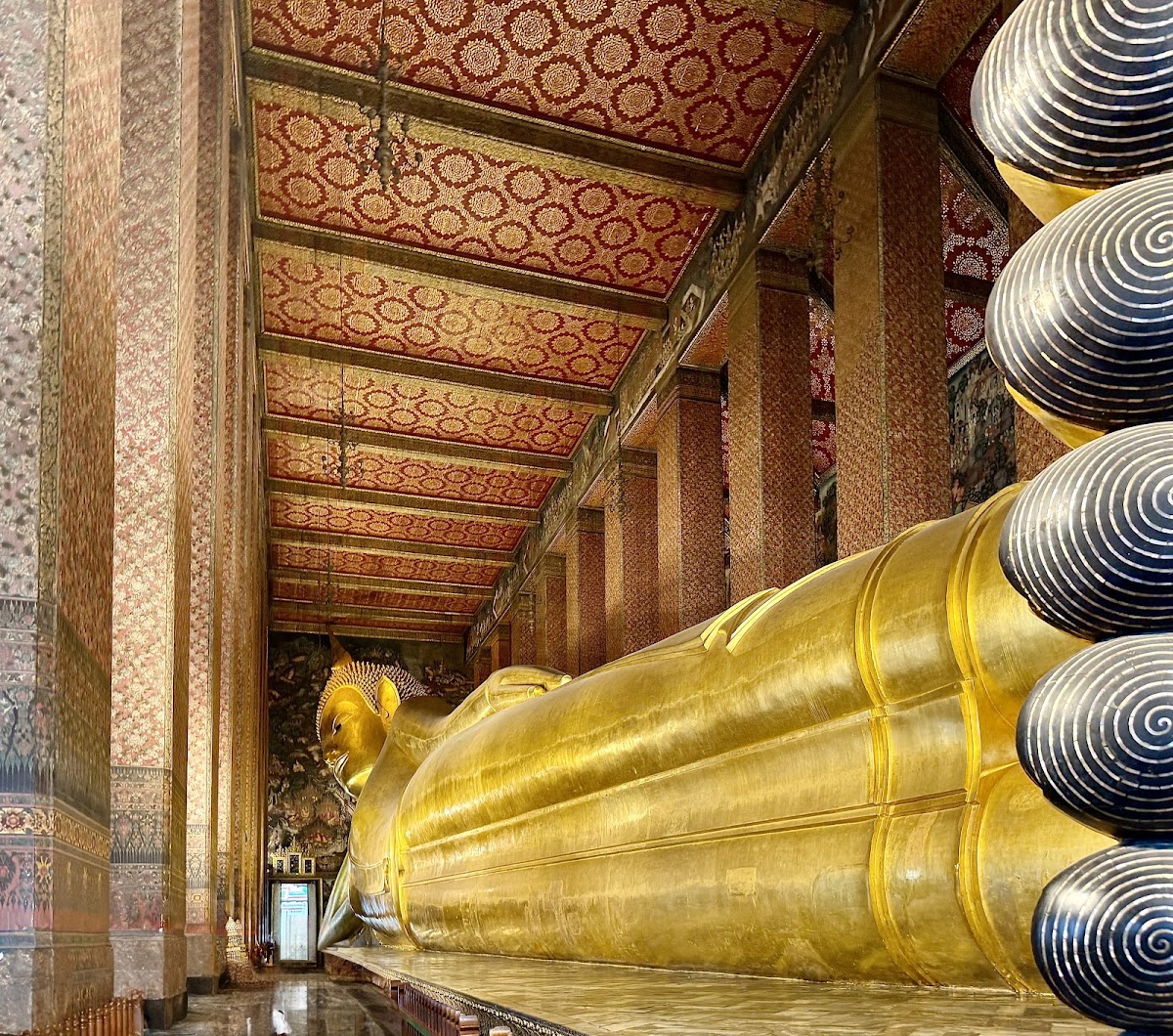
Wat Pho is not just the Reclining Buddha; it’s a temple complex of dizzying beauty. After paying the 300 baht (8.50 USD) entry, you walk through courtyards packed with chedis and statues before entering the shrine that houses the 46-meter-long gold-leaf Buddha. The mother-of-pearl feet depict 108 auspicious scenes of the Buddha’s life.
Before you leave, book a traditional massage at the temple’s school. It costs around 400 baht (11 USD) for an hour, and the rhythmic pressure points will loosen your shoulders after all that walking. Wat Pho is quieter in the early morning, so aim for 8 AM opening to beat the tour groups.
Gold and Emerald at the Grand Palace
The Emerald Buddha sits on a golden pedestal, so high you have to crane your neck, and the sheer opulence of the temple compound makes you blink.
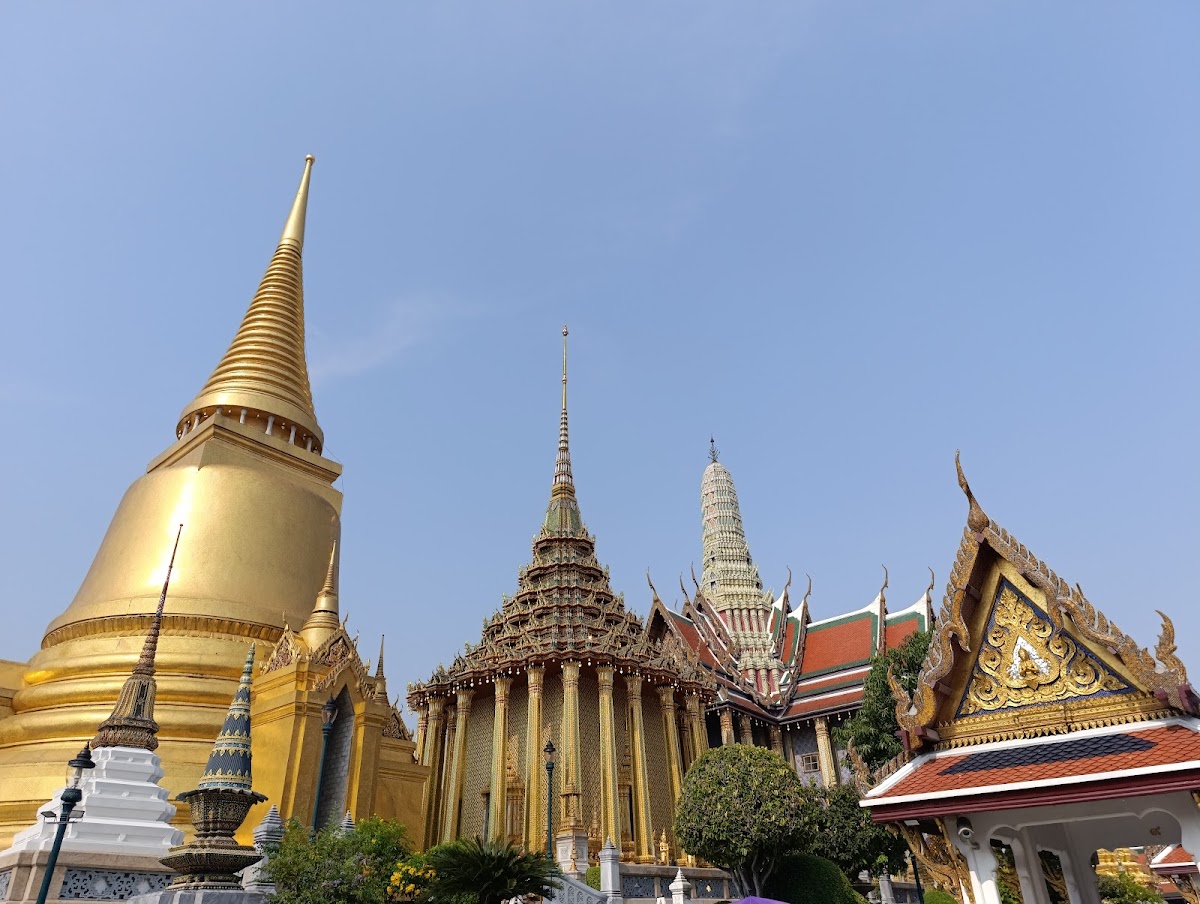
Just north of Wat Pho, the Grand Palace complex is the crown jewel of Bangkok’s royal architecture. The compound’s most sacred site is Wat Phra Kaew, home to the Emerald Buddha carved from a single piece of jade. The walls of the temple are covered in murals of the Ramakien epic, each panel a swirl of gold leaf and jewel-toned paint.
Dress respectfully: knees and shoulders covered, no see-through fabrics. Entry is 500 baht (14 USD), and it gets packed by mid-morning. Go after your Wat Pho visit, around 10 AM, and spend an hour marveling. Tha Tien pier is a 3-minute walk for a quick market lunch before you cross the river to Wat Arun.
Neon and Woks on Yaowarat Road
The sign for Nai Ek Roll Noodle glows red in the dark, and the queue spills onto the pavement, everyone waiting for a bowl of kuay jab.
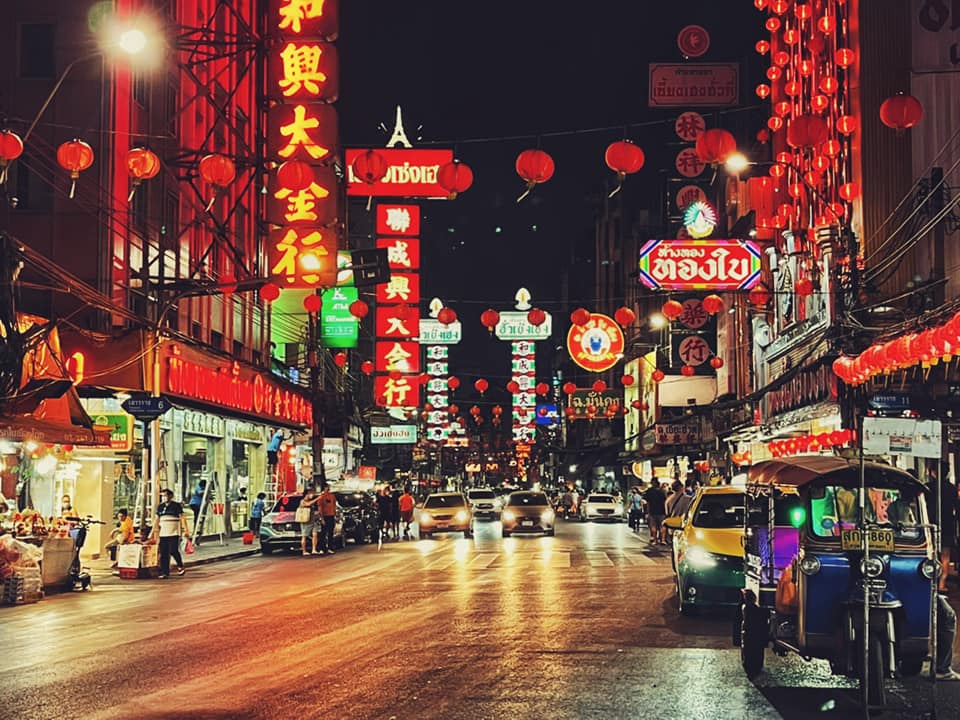
Yaowarat Road, the spine of Bangkok’s Chinatown, comes alive after sunset. The street food here is legendary: seafood platters with green chili dip, roast duck over rice, and the star of the show, kuay jab at Nai Ek Roll Noodle. The broth is peppery and rich, the rolled rice noodles slick with pork fat, and the crispy pork belly crackles with every bite.
Before you start eating, slip into Wat Mangkon Kamalawat, a Chinese-Buddhist temple that glitters with red lanterns and gold altars. Then work your way down Sampeng Lane, a narrow alley packed with dried goods, gold shops, and street snacks. Come hungry and eat at three or four stalls over two hours.
Pedaling Through Bangkok's Green Lung
The air changes as you cross the river, less exhaust, more damp earth, and the bicycle path snakes through a canopy of palm and banana trees.
Bang Krachao is Bangkok’s best-kept secret: a swampy island on the other side of the river, undeveloped and laced with elevated walkways. Rent a bicycle at the Bang Nam Phueng floating market for 100 baht (3 USD) and pedal through mangrove forests, past stilted houses where kids wave from their porches, and over canals dotted with lotus flowers.
The loop takes about two hours, with stops at a bird sanctuary and a temple built on a lake. At lunch, the floating market sells boat noodles in a syrup-sweet broth and grilled river prawns. End your ride at a riverside café, watching longtail boats churn the brown water. It’s a calm antidote to the city’s chaos.
Ready to book?
Book the rest of Bangkok, Thailand
Handpicked partner searches, dates pre-filled. Pricing is identical to going direct — the partner shares a small commission with Tabi so this guide stays free.
Frequently asked
What is the best way to get from Suvarnabhumi Airport to central Bangkok?
The Airport Rail Link is the fastest and cheapest option, costing 45 baht (1.30 USD) and reaching Phaya Thai in 30 minutes. Taxis cost around 300-500 baht (8-14 USD) depending on traffic, while Grab rides are 250-400 baht (7-11 USD).
What should I wear when visiting temples like the Grand Palace and Wat Pho?
Cover your shoulders and knees; no see-through or tight clothing. You’ll be asked to remove shoes before entering temple halls. If you show up underdressed, the Grand Palace has a rental booth for sarongs and long sleeves.
Is street food in Bangkok safe to eat?
Yes, especially at busy stalls with high turnover. Look for queues of locals, clean ice storage, and cooked-to-order dishes. Avoid raw or pre-cut fruit that sits out for hours. Stomach issues are rare if you stick to freshly fried or boiled items.
What is the best time of day to visit Wat Arun?
Sunset is the most photogenic time, when the prangs glow orange and the river reflects the lights. The temple opens until 5:30 PM, so aim for 4:30 PM to explore before the golden hour. Early mornings around 8 AM are also peaceful and less crowded.
Skip the planning
Your Bangkok, Thailand trip, ready to go
Adopt the day-by-day itinerary we built to match this guide. Every stop is a real place, every booking link is validated. Free forever, no card needed.
Open the Bangkok, Thailand itinerary